

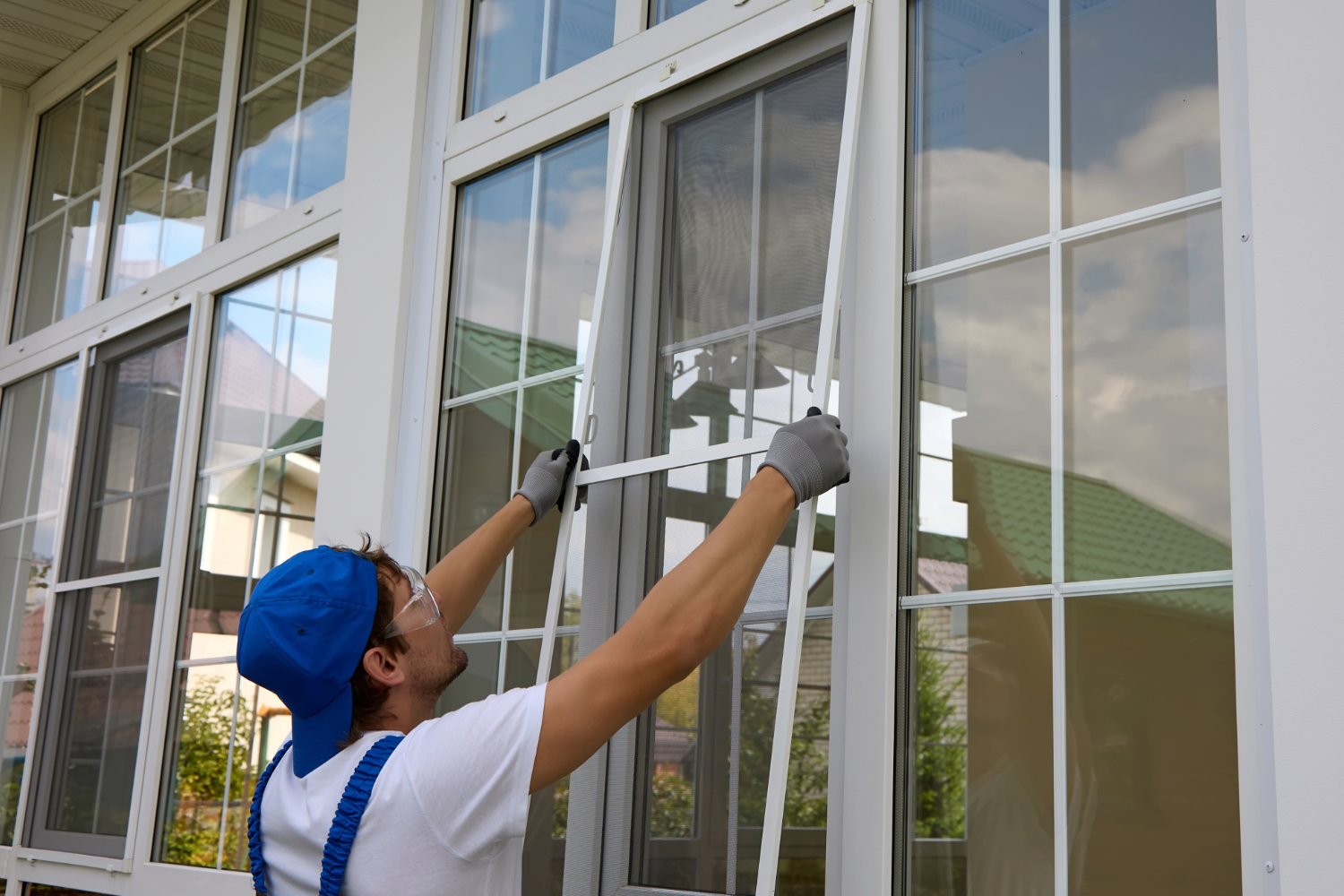
Replacing windows is often seen as a straightforward home improvement project, yet many homeowners underestimate how many decisions are involved before, during, and after installation. Windows affect comfort, energy use, sound control, and even how secure a home feels. When mistakes are made, the results can linger for years in the form of drafts, moisture problems, or unexpected costs. These issues usually do not come from one large error but from a series of small oversights that compound over time. Understanding where homeowners commonly go wrong helps set realistic expectations and leads to smoother projects. Careful planning and informed choices make the difference between a frustrating experience and one that delivers lasting value.
Where Problems Usually Begin
Mistakes That Shape the Entire Project
One of the most common problems in window replacement projects starts at the planning stage, when homeowners focus only on appearance or price while overlooking performance and compatibility. Windows are not universal products, and assuming that any style will work in any opening can create long-term issues. Measurements that are taken casually or based on old plans often fail to account for structural shifts, previous renovations, or uneven framing. This leads to gaps, forced adjustments, or excessive sealant use during installation. In many homes, climate considerations are also underestimated, with homeowners choosing glass and frame materials that do not match local temperature swings or humidity levels. In regions where projects like window replacement austin are common, overlooking heat resistance and proper sealing can result in higher cooling demands and discomfort. These early misjudgments tend to influence every later decision, making them difficult to correct once installation begins.
Choosing Products Without Enough Context
When homeowners select windows without fully understanding how different materials behave over time, they often encounter disappointment later. Frames made from certain materials may expand, contract, or discolor under specific environmental conditions, yet these factors are rarely considered during quick showroom visits. Glass options are another frequent source of confusion. Many people assume that thicker glass automatically improves insulation or noise reduction, when performance actually depends on coatings, spacing, and overall construction. A mismatch between window performance and household needs can show up as condensation, glare, or inconsistent indoor temperatures. Homeowners also sometimes select window styles that conflict with how rooms are used, such as installing fixed panes where ventilation is needed or operable windows in hard-to-reach locations. These choices may look appealing initially, but daily use reveals their limitations. Without enough context, even high-quality products can feel disappointing when they do not align with how a home functions.
Underestimating Installation Complexity
Another frequent mistake is assuming that window replacement is purely a swap-out process with minimal disruption. In reality, installation often uncovers hidden issues such as water damage, deteriorated framing, or outdated flashing methods. Homeowners who expect a quick, simple process may feel pressured to move forward without addressing these underlying problems. Skipping necessary repairs can compromise the new windows, allowing moisture or air infiltration to continue unchecked. Installation also requires precise alignment to ensure smooth operation and long-term durability. When this step is rushed, windows may stick, fail to lock properly, or develop uneven pressure on seals. These problems rarely appear immediately but become noticeable months later, when adjustments are more difficult. By underestimating the complexity involved, homeowners miss opportunities to correct structural weaknesses and end up with results that fall short of expectations.
Ignoring Long-Term Performance and Maintenance
Many window replacement projects focus heavily on upfront decisions while neglecting what happens years down the line. Maintenance requirements vary widely between window types, yet homeowners often assume all modern windows are low effort. Some finishes require periodic care to prevent fading or surface wear, especially in areas exposed to strong sunlight or moisture. Hardware components such as tracks, hinges, and locks also need attention to maintain smooth operation. When these factors are ignored, windows may appear to age faster than expected. Long-term performance is also affected by how well windows integrate with surrounding walls, trim, and insulation. Poor transitions can allow air leaks that reduce efficiency over time. Homeowners who do not consider these long-term aspects may feel dissatisfied even though the windows themselves are functional. Thinking beyond installation day helps ensure that the investment continues to perform as intended.
Overlooking Communication and Coordination
A less obvious but equally important mistake involves communication throughout the project. Homeowners sometimes assume that all decisions are understood once a contract is signed, yet small details can easily be misinterpreted. Placement of locks, direction of window operation, or interior trim finishes may differ from what the homeowner imagined if expectations are not clearly discussed. Scheduling is another area where misunderstandings arise, particularly when multiple trades are involved. Delays in one phase can affect others, leading to frustration and rushed work. When questions or concerns are not raised early, they often surface only after installation is complete, when changes are more difficult. Clear communication helps align expectations and reduces the chance of regret. Without it, even a technically sound project can feel unsuccessful due to unmet assumptions.
Conclusion
Window replacement projects often go wrong not because of a single major failure, but because of several small oversights that build on one another. From early planning decisions to product selection, installation practices, and long-term considerations, each stage plays a role in the final outcome. Homeowners who underestimate complexity, overlook performance factors, or fail to communicate clearly may face issues that persist long after the work is done. By recognizing these common mistakes, it becomes easier to approach window replacement with a more informed mindset. Thoughtful preparation and attention to detail help ensure that new windows deliver comfort, efficiency, and satisfaction for years rather than becoming a source of ongoing frustration.
