

The digital world has transformed the way people communicate, shop, work, and manage financial activities. Businesses now depend heavily on digital systems prozone cc to store customer information, process payments, and deliver online services. Consumers use websites, mobile applications, and cloud platforms every day to access financial services and share personal information.
While this digital transformation has created enormous opportunities, it has also increased cybersecurity risks. Data breaches have become one of the most serious threats facing organizations and individuals worldwide. Cybercriminals continuously search for weaknesses in digital systems to steal valuable information, including personal records, payment details, and account credentials.
In cybersecurity discussions, Prozone CC is a term associated with underground carding activities and the illegal trade of compromised payment information. Although such platforms operate outside the law and should never be accessed or supported, their existence highlights a larger issue: stolen data has become a valuable resource within the cybercrime economy.
Understanding the risks connected to data breaches helps businesses and consumers develop stronger security practices and better protect themselves in an increasingly digital environment.
Understanding Data Breaches in the Digital Age
A data breach occurs when unauthorized individuals gain access to confidential or sensitive information. This information may include customer details, financial records, login credentials, business documents, or personal identification data.
Data breaches can happen for many reasons. Some result from sophisticated cyberattacks, while others occur because of weak passwords, outdated software, poor security practices, or human mistakes.
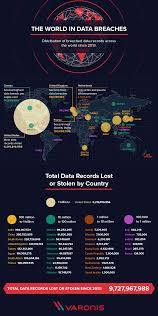
As organizations collect more digital information, the potential impact of a breach continues to grow. A single security incident can expose thousands or even millions of records, creating serious consequences for businesses and affected individuals.
The Role of Underground Markets in Cybercrime
Underground cybercrime markets demonstrate how stolen information can be transformed into financial opportunities for criminals. These illegal networks may involve different groups specializing in different stages of cybercrime, from stealing information to attempting fraudulent activities.
Platforms associated with carding activities represent a broader challenge: once sensitive data is compromised, it can continue creating risks long after the original attack.
Cybersecurity professionals study these criminal ecosystems to understand attack methods, identify emerging threats, and improve defensive strategies. The goal is not to focus on illegal marketplaces themselves but to understand how stolen information moves through cybercrime networks.
How Data Breaches Occur
Phishing Attacks
Phishing is one of the most common causes of data exposure. Cybercriminals create fake emails, messages, or websites designed to appear trustworthy.
These attacks often attempt to convince users to provide passwords, payment information, or other sensitive details. Because phishing relies heavily on human behavior, cybersecurity awareness is essential for preventing successful attacks.
Users should verify suspicious messages, avoid clicking unknown links, and confirm requests for sensitive information before responding.
Malware Infections
Malware is another major source of data theft. Malicious software can infect computers, smartphones, and business networks, allowing attackers to collect confidential information.
Some malware programs are designed to steal passwords, monitor activity, or access stored financial information. Regular software updates, security tools, and safe browsing habits can reduce exposure to malware threats.
Weak Security Practices
Many breaches occur because organizations or individuals fail to implement basic security measures. Common problems include weak passwords, outdated systems, excessive user access, and insufficient monitoring.
Strong cybersecurity requires continuous attention rather than a one-time setup.
Third-Party Vulnerabilities
Modern businesses often depend on external vendors, cloud providers, and technology partners. If one connected organization has weak security, attackers may use that weakness to access other systems.
Managing third-party risks is becoming increasingly important as digital networks become more interconnected.
The Impact of Data Breaches
Financial Losses
Data breaches can create significant financial consequences. Organizations may face investigation costs, system recovery expenses, legal fees, customer support costs, and investments in improved security.
Consumers may also experience financial losses if stolen information is used for unauthorized transactions or fraudulent activity.
Identity Theft
Personal information exposed during breaches can contribute to identity theft. Criminals may combine stolen details with other information to impersonate individuals or attempt unauthorized account access.
Identity theft can create long-term challenges, requiring victims to monitor accounts and take additional protective steps.
Loss of Customer Trust
Trust is one of the most important assets in the digital economy. Customers expect organizations to protect their information responsibly.
When a company experiences a data breach, customers may question whether their personal information is safe. Rebuilding trust often requires transparency, stronger security measures, and clear communication.
Business Disruption
Cybersecurity incidents can interrupt normal operations. Companies may need to temporarily restrict systems, investigate the breach, and restore affected services.
Without proper preparation, recovery can take longer and create additional financial and operational challenges.
Why Data Protection Is More Important Than Ever
The increasing frequency of cyberattacks shows that data protection is no longer optional. Every organization that collects, stores, or processes information has a responsibility to protect it.
Strong data protection helps prevent unauthorized access, reduces financial risks, and supports compliance with privacy regulations.
Businesses that prioritize cybersecurity are better prepared to handle threats and maintain customer confidence.
Best Practices for Preventing Data Breaches
Use Multi-Factor Authentication
Multi-factor authentication provides an additional layer of protection by requiring users to verify their identity through multiple methods.
Even if passwords are compromised, additional verification steps make unauthorized access more difficult.
Encrypt Sensitive Information
Encryption protects data by converting it into a secure format that unauthorized users cannot easily read.
Organizations should encrypt customer records, payment information, internal communications, and stored backups.
Keep Systems Updated
Outdated software often contains vulnerabilities that attackers can exploit. Regular updates and security patches help reduce these risks.
Organizations should establish clear procedures for maintaining applications, operating systems, and network infrastructure.
Monitor Systems Continuously
Continuous monitoring helps organizations detect suspicious activity quickly. Modern security tools can identify unusual login attempts, abnormal transactions, and potential threats before they cause major damage.
Train Employees
Employees are a critical part of cybersecurity. Training helps staff recognize phishing attempts, protect sensitive information, and follow secure procedures.
A well-informed workforce can prevent many common security incidents.
The Importance of Consumer Awareness
Consumers also play an important role in protecting digital information. Safe online habits can significantly reduce exposure to cyber threats.
Important practices include:
- Using strong and unique passwords
- Enabling multi-factor authentication
- Reviewing financial activity regularly
- Avoiding suspicious links and attachments
- Keeping devices updated
- Using secure websites for online transactions
Small security improvements can make a significant difference in protecting personal information.
The Future of Cybersecurity
As technology continues advancing, cyber threats will continue evolving. Artificial intelligence, cloud computing, mobile applications, and connected devices create new opportunities while also introducing new risks.
Future cybersecurity strategies will likely rely on advanced threat detection, stronger authentication systems, improved privacy controls, and automated security solutions.
However, technology alone cannot solve every security challenge. Organizations and individuals must combine technical protections with awareness, responsible behavior, and ongoing education.
Building a Safer Digital Environment
Creating a safer digital world requires cooperation between businesses, consumers, financial institutions, technology providers, and cybersecurity professionals.
Organizations must invest in security infrastructure and develop effective response plans. Consumers must remain informed and practice safe digital habits.
Cybersecurity is a shared responsibility. Every user, system, and organization contributes to the overall security of the digital environment.
Conclusion
The discussion surrounding Prozone CC reflects a broader cybersecurity challenge: the growing threat of stolen data and digital fraud. While underground prozone.st cybercrime markets represent illegal activities, they demonstrate why protecting sensitive information is essential in today’s connected world.
Data breaches can result in financial losses, identity theft, operational disruption, and damaged trust. Preventing these outcomes requires strong security practices, continuous monitoring, employee awareness, and responsible digital behavior.
As the digital economy continues to expand, data protection will remain a critical priority. By understanding the risks and adopting effective cybersecurity strategies, businesses and consumers can help create a more secure and trustworthy online environment.
