

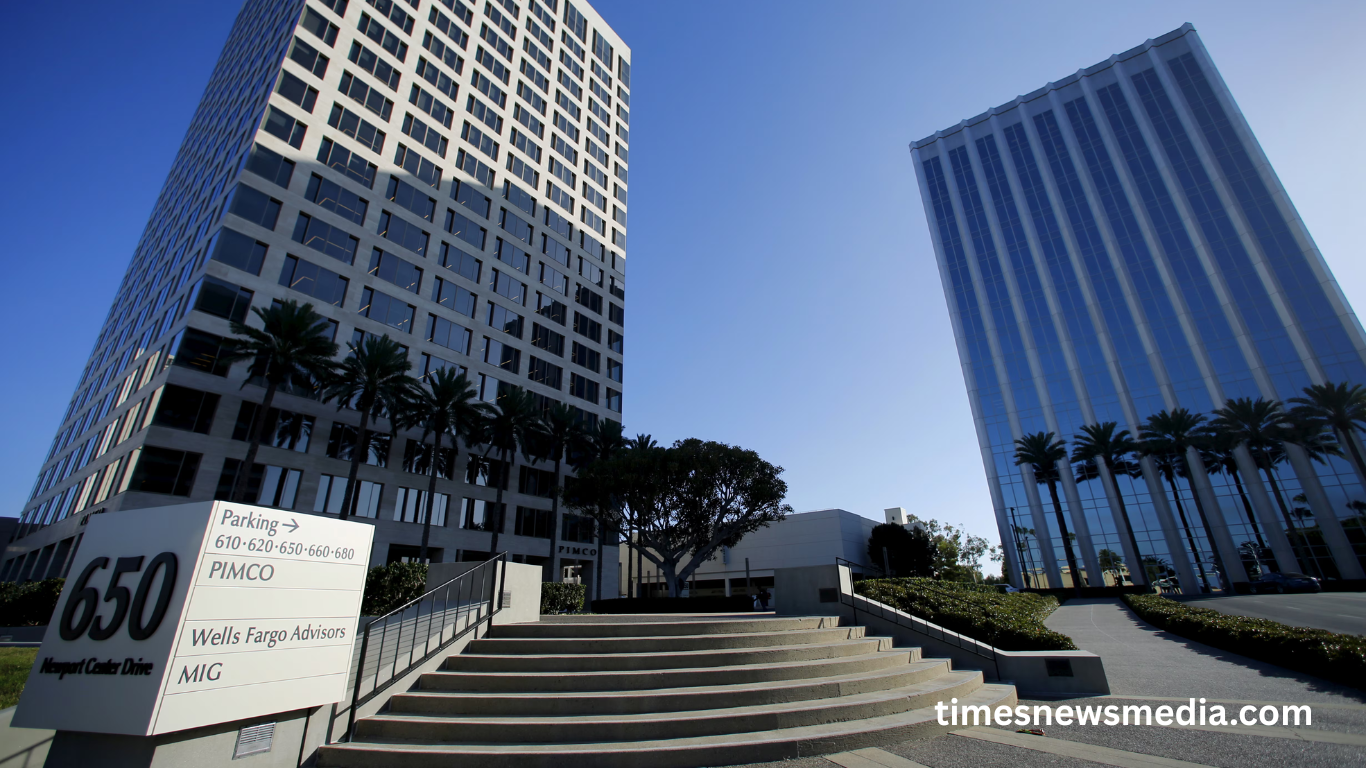
Pacific Investment Management Co. (PIMCO), a significant force in global fixed income, has voiced a firm stance against the U.S. dollar while expressing a favorable outlook on long-term Treasuries. This position reflects more profound market sentiment around the evolving perception of the United States as a global haven.
Dollar Faces Pressure from Multiple Fronts
The U.S. dollar has long been the world’s reserve currency, but recent movements suggest vulnerability. PIMCO attributes its bearish outlook to factors such as persistent fiscal deficits, rising geopolitical tensions, and shifting global alliances. The dollar’s dominance has provided stability, yet structural imbalances and growing scrutiny are starting to cloud its status.
Treasuries Draw Interest Amid Uncertainty
Despite skepticism toward the dollar, PIMCO sees value in long-duration Treasuries. This preference comes as investors seek shelter in assets that offer relative safety in an increasingly uncertain economic landscape. With inflation showing signs of moderation and future rate cuts appearing likely, long-term government bonds are regaining attractiveness for institutions aiming to lock in yields.
Market Dynamics Reveal Cracks in Confidence
What was once seen as unshakable the U.S. financial foundation is now being questioned. Analysts at PIMCO highlight that while the U.S. economy remains resilient in many areas, its macroeconomic imbalances, combined with mounting debt and political fragmentation, are creating doubts about long-term financial leadership. These undercurrents are influencing portfolio strategies globally.
Geopolitical Risk Adds Fuel to the Bearish View
The dollar’s role on the global stage is increasingly challenged by rival powers building alternative trade and monetary systems. Nations looking to reduce reliance on the dollar have ramped up bilateral trade agreements in local currencies, developed alternative payment systems, and increased gold reserves. PIMCO notes this trend as a slow but steady erosion of dollar supremacy.
Read More : China posts unexpectedly strong 5.4% GDP growth in Q1 ahead of Trump tariffs
Rate Policy Expectations Shape Treasury Strategy
While the Federal Reserve’s next moves remain data-dependent, market participants are beginning to price in rate reductions later in the year. PIMCO’s positioning in long-term Treasuries is based on expectations that yields will compress as growth slows and monetary policy pivots. The yield curve, while still inverted, is signaling a possible return to more traditional monetary conditions.
Foreign Investment Behavior Shifting
Central banks and sovereign wealth funds, once steady buyers of U.S. debt, have started diversifying their holdings. This trend reflects a broader reevaluation of risk. While Treasuries still represent safety, the dollar component is losing its luster for some international players. PIMCO’s strategy aligns with the recognition that the safe-haven narrative is not a one-size-fits-all solution anymore.
U.S. Fiscal Outlook Weighs on Long-Term Perceptions
Budget deficits and national debt levels continue to climb, creating concern among economists and institutional investors. The long-term sustainability of government spending and debt servicing is being examined more critically. PIMCO sees this as a headwind for the dollar, especially if political solutions remain elusive and global sentiment shifts further toward caution.
Liquidity Conditions Point to Strategic Adjustments
Tightening liquidity in global markets is prompting portfolio adjustments. PIMCO is positioning itself for a world where capital must be allocated more selectively, with greater attention to duration, credit risk, and geopolitical exposure. In such an environment, long-duration Treasuries offer a defensive anchor even as the dollar’s strength faces headwinds.
Currency Diversification Becoming More Mainstream
Investors are increasingly considering currency diversification as part of risk management. While the dollar still holds a dominant share of global reserves, shifts toward other currencies, including the euro and Chinese yuan, are gradually taking shape. PIMCO’s stance captures this underlying movement as institutions hedge against dollar-centric vulnerabilities.
Safe-Haven Redefined in a Changing World Order
What constitutes a haven is evolving. Today’s stability is measured not just by historical performance but also by forward-looking risk assessment. PIMCO’s move toward Treasuries while moving away from the dollar acknowledges this nuanced reality where traditional safe assets must now pass a new test of resilience in a multipolar financial world.
Frequently Asked Questions
What is PIMCO’s current stance on the U.S. dollar?
PIMCO is bearish on the U.S. dollar due to rising fiscal deficits, geopolitical risk, and reduced global confidence.
Why is PIMCO favoring long-term Treasuries?
They believe long-term Treasuries offer stability and potential gains as interest rate cuts become more likely.
What factors are weakening the U.S. dollar?
Key factors include debt levels, global de-dollarization, and shifting alliances among economic powers.
How does global diversification impact the dollar’s dominance?
As countries diversify reserves and trade in alternative currencies, the dollar’s global influence gradually diminishes.
Are U.S. Treasuries still considered safe?
Yes, despite broader concerns, Treasuries remain a preferred haven for investors seeking low-risk, long-term returns.
How do Fed policies influence PIMCO’s strategy?
Rate expectations influence bond yields, and anticipated easing supports a bullish case for long-duration Treasuries.
Is the dollar losing reserve currency status?
Not immediately, but trends suggest a gradual erosion as other nations reduce reliance on the dollar.
Should individual investors follow PIMCO’s approach?
It depends on risk tolerance and goals, but understanding global trends can help shape smarter portfolio decisions.
Conclusion
PIMCO’s shift reflects growing uncertainty around the U.S.’s financial leadership. As geopolitical shifts unfold and fiscal pressure builds, the firm sees long-term Treasuries as a safer bet while growing wary of the dollar’s future role. This realignment signals a more cautious, diversified investment era where traditional safe havens are being reevaluated in a rapidly changing world.