

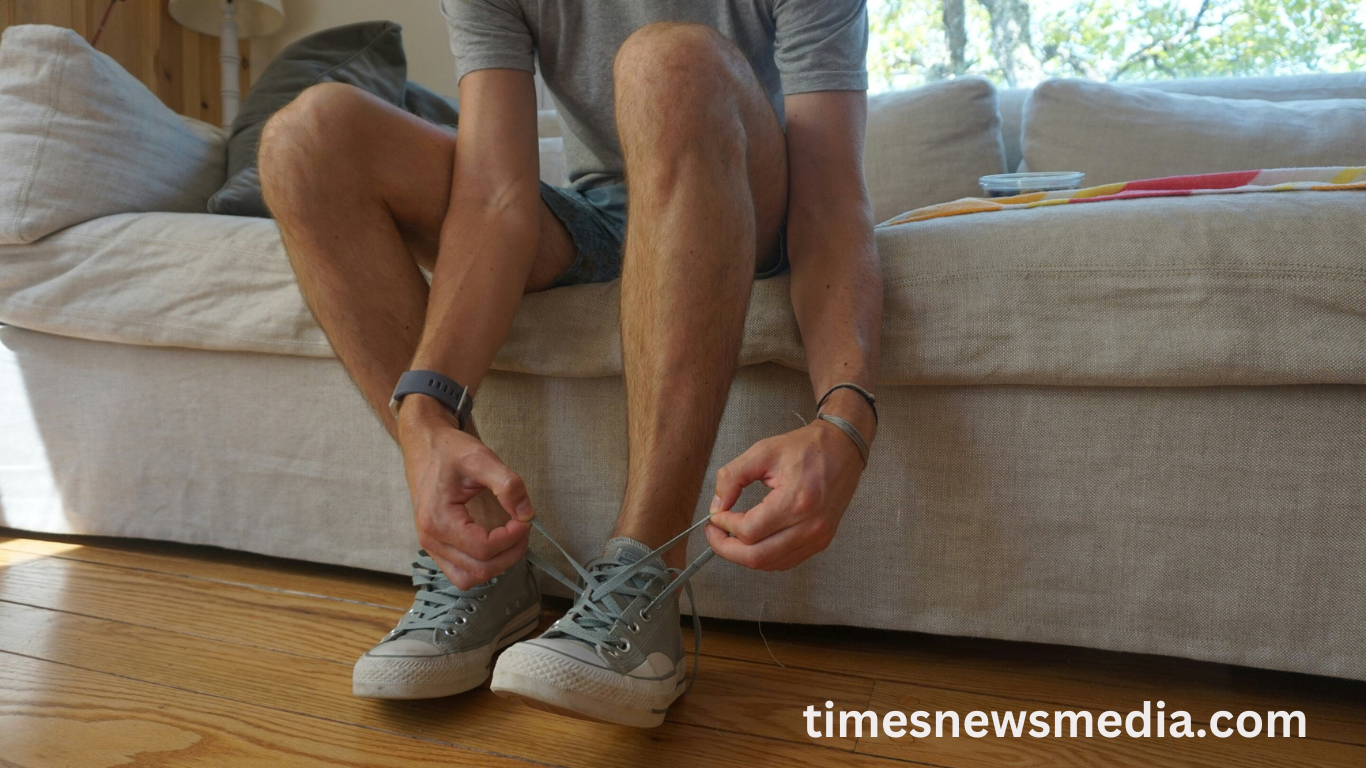
What looks clean on the surface rarely tells the full story. Shoes carry far more than just memories of your last outing. They act like magnets for dirt, bacteria, and invisible toxins, all of which make their way into your home with every step.
Bacteria Are Hitchhiking Into Your Home
From public restrooms to city sidewalks, your shoes come in contact with countless germ-infested zones. Studies have shown that E. coli, a harmful bacteria associated with human and animal feces, often ends up on the bottom of footwear. When worn indoors, these bacteria are unknowingly introduced to carpets, rugs, and floors — and eventually to your hands, pets, and even food-preparation areas.
Toxins and Chemicals Don’t Stay Outside
City streets, construction zones, and grassy lawns all have one thing in common — exposure to chemical treatments and pollutants. From weed killers to industrial oils, your shoes pick up trace amounts of these substances without you even noticing. Once indoors, these toxins don’t just disappear. They linger on surfaces, especially carpets and soft furnishings, making your home less safe over time.
Allergens Get a Free Ride
For those with allergies, the risk isn’t just seasonal. Pollen, mold spores, and dust are frequently tracked indoors through footwear. Even if shoes look spotless, they may be carrying enough microscopic allergens to trigger reactions in sensitive individuals, especially young children and the elderly.
Flooring Damage Happens Sooner Than Expected
Shoes with hard soles, heels, or treads gradually wear down flooring, especially hardwood and tile. Dirt and small pebbles embedded in the soles act like sandpaper, causing scratches and reducing the lifespan of your floors. Even carpeted floors aren’t safe — the pressure from shoes compacts fibers, making them appear worn and age much faster.
Indoor Air Quality Takes a Hit
Airborne particles aren’t just released by cleaning products or cooking — they also come from the soles of your shoes. As you walk, fine dirt and contaminants trapped in your shoes become airborne, degrading indoor air quality. This can be particularly concerning in smaller spaces or homes with minimal ventilation.
Comfort and Relaxation Improve Without Shoes
There’s a noticeable difference in how you feel when you kick your shoes off at the door. Walking barefoot or in clean indoor slippers allows your feet to breathe, encourages better posture, and fosters a more relaxed, mindful environment. Many people find they sleep better and feel more “at home” when shoes stay off indoors.
Read More : Relaxation and Luxury Meet in a Designer’s Home Studio
Cultural Wisdom Behind Shoe-Free Homes
In many cultures around the world, removing shoes before entering a home isn’t just a preference — it’s a sign of respect. Countries like Japan, Sweden, and parts of the Middle East follow this tradition, blending hygiene with mindfulness. Embracing this simple habit connects us with a global practice that values cleanliness, respect, and balance.
Children Are Closest to the Floor
Kids are constantly on the ground, whether they’re crawling, playing, or lying on the carpet with a toy in hand. Whatever is on the floor ends up on their hands, clothes, and sometimes in their mouths. Keeping shoes off indoors reduces their exposure to bacteria, allergens, and other contaminants, providing a safer environment for their development.
Pets Pay the Price, Too
Pets don’t wear shoes, but they do lick floors, lie on rugs, and rest their faces on the ground. Everything your shoes carry can impact their health as much as yours. Some pets even develop allergies or sensitivities due to long-term exposure to indoor pollutants brought in from outside.
Clean Floors Are Easier to Maintain
When shoes stay off, cleaning becomes simpler. There’s less vacuuming, fewer mopping sessions, and minimal effort needed to keep carpets looking fresh. Households that enforce a no-shoe rule often find their floors to remain spotless for longer periods, making maintenance less of a chore.
Establishing a New Norm is Easier Than You Think
Introducing a no-shoes policy doesn’t require awkward signs or uncomfortable conversations. A shoe rack by the door, cozy indoor slippers, and a welcoming mat can guide guests naturally. Over time, this small change becomes second nature — one that improves your home’s cleanliness and comfort without much effort.
Setting Boundaries With Style
Going shoe-free doesn’t have to feel rigid or inconvenient. Offering guests clean house slippers or stylish socks helps maintain both hygiene and hospitality. This thoughtful approach turns a health-conscious decision into a warm, personal gesture.
Your Home, Your Sanctuary
A home should be a space of calm, health, and relaxation. Leaving shoes at the door keeps that energy intact. It creates a physical and mental boundary between the chaos of the outside world and the sanctuary of home life. With this simple habit, you protect more than your floors — you protect your peace.
Frequently Asked Questions
Is it really unhygienic to wear shoes indoors?
Yes, shoes can track bacteria, toxins, and dirt from public spaces into your home, impacting cleanliness and health.
What types of bacteria are commonly found on shoes?
Research shows shoes often carry E. coli, Clostridium difficile, and other harmful bacteria picked up from outdoor surfaces.
Can wearing shoes indoors affect air quality?
Yes, shoes stir up dust and allergens, releasing microscopic particles into the air and degrading indoor air quality.
Do all types of flooring get damaged by shoes?
Shoes can damage both hard and soft flooring. Scratches, scuffs, and compressed carpet fibers are common results.
What are better alternatives to outdoor shoes indoors?
Clean indoor slippers, socks, or barefoot walking are great alternatives that support hygiene and comfort.
How can I politely ask guests to remove their shoes?
Provide a clear entryway space with a bench or shoe rack and offer indoor slippers to make it easy.
Are there cultural reasons for removing shoes indoors?
Yes, many cultures see it as respectful and hygienic to remove shoes, reflecting mindfulness and care for the home.
Is it safe for toddlers and pets if I wear shoes indoors?
Not really. Contaminants from shoes can transfer to floors and endanger those who are closest to the ground.
Conclusion
Leaving your shoes at the door is a small change with big rewards. It protects your health, your floors, and your indoor air. It promotes mindfulness, supports cultural respect, and creates a calmer, cleaner space. For families, pet owners, and anyone seeking a fresher environment, ditching outdoor shoes indoors is a smart, easy-to-adopt habit that quickly becomes second nature. Your home deserves to stay as clean and safe as possible.