

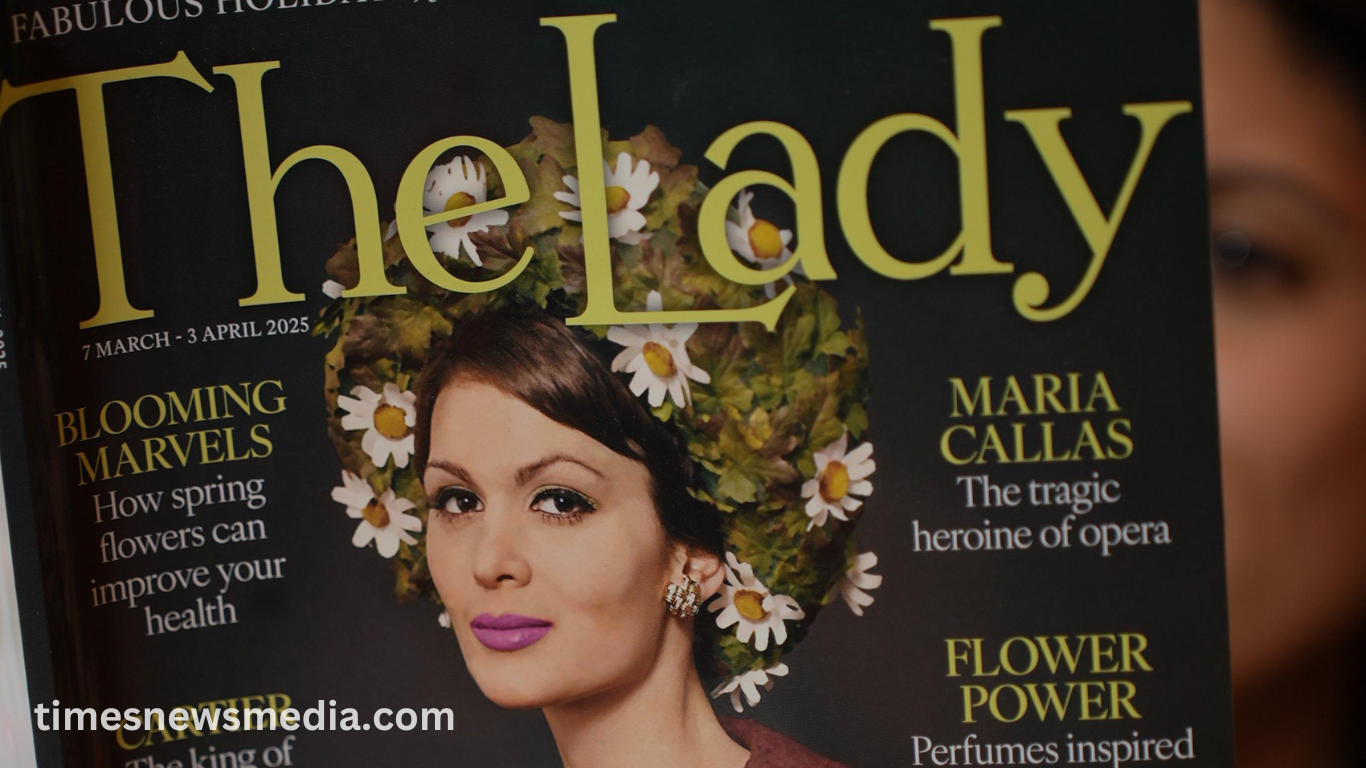
In a world where polished manners once reigned supreme, The Lady magazine emerged as a beacon for generations of readers seeking refinement, etiquette, and a gentle approach to life. Founded in 1885, it quickly became a staple in the homes of Britain’s middle and upper classes. With its air of grace and its strong sense of tradition, the publication offered a reflection of a bygone era, echoing the charm of handwritten letters and lace-trimmed afternoon teas.
A Legacy Woven with Lace and Letters
At its core, The Lady didn’t just share content—it preserved a way of life. Pages were filled with articles on decorum, household management, literature, and the art of being a proper lady. Job advertisements for nannies and domestic staff gave it a practical edge, while editorial pieces held fast to ideals of virtue and gentility. The magazine served as both a guide and guardian of femininity shaped by centuries of social expectation.
Holding Ground in a Shifting World
Time, however, was not standing still. As societal roles evolved, so did women’s needs and interests. The feminist waves of the 20th century brought empowerment and agency, while modern lifestyles demanded adaptability and relevance. Yet The Lady held firm to its identity, resisting the rapid pulse of change around it. Readers, once loyal, began seeking content that resonated with their realities—ambition, independence, and challenge.
The Gentle Unraveling
Print publications everywhere were facing decline, but for The Lady, the erosion was not merely economic—it was cultural. Its appeal began to feel niche, almost nostalgic. Efforts to modernize sparked internal shifts and editorial reinventions, some of which stirred controversy. The magazine that once defined composure was now seen grappling with its identity crisis. Readers noticed. Critics questioned.
Attempts to Reclaim Relevance
To revive its stature, new leadership brought fresh perspectives. Covers grew more contemporary, topics branched into careers and technology, and voices became more diverse. The magazine tried to stretch the fabric of tradition without tearing its seams. And yet, something essential seemed lost in the process. Loyal readers missed the old charm, while newer audiences felt lukewarm. The soul of the magazine was caught in the tension between past and present.
A Brand More Than a Publication
Despite declining circulation, The Lady still carried weight. Its name opened doors, its classifieds remained trusted, and its cultural symbolism stayed intact. Many still viewed it with warmth, an emblem of refinement, even if it was no longer their regular read. It lingered not just as a magazine but as a statement—a memory of civility and elegance in a world spinning faster each day.
Changing Tides in a Digital Age
The digital shift pushed legacy media into uncharted waters. Blogs, social platforms, and niche websites gave voice to countless new expressions of femininity. Gentility was no longer confined to a specific mold. Readers gravitated toward authenticity and relatability over polish and posture. In this climate, The Lady found itself outpaced not just by innovation but by the very evolution of womanhood.
The Echo That Remains
Though its influence has waned, The Lady’s footprint still lingers. It carved a space in publishing history, shaping ideals and inspiring generations. The grace it championed, the voice it offered, and the image it upheld live on in fragments—mirrored in lifestyle blogs, nostalgic retrospectives, and even the renewed appreciation for slower, softer living. Its decline, while undeniable, does not erase the legacy etched across its decades of print.
Frequently Asked Questions
What was The Lady magazine known for?
The Lady was known for its focus on traditional femininity, etiquette, household management, and domestic job listings.
When was The Lady magazine founded?
The magazine was founded in 1885 and has been one of the longest-running women’s magazines in the UK.
Who was the target audience of The Lady?
Its target audience was primarily middle and upper-class women interested in refined lifestyles and traditional values.
Why did The Lady experience a decline?
Its resistance to change, digital disruption, and evolving societal roles contributed to its gradual decline in popularity.
Did The Lady try to modernize?
Yes, it attempted to modernize its content and design to appeal to contemporary audiences, with mixed results.
Is The Lady still in publication today?
Yes, The Lady still exists, though with a smaller audience and more niche positioning than in its prime.
What made The Lady unique among women’s magazines?
Its commitment to grace, poise, and gentility distinguished it from more commercial or trend-driven publications.
How is The Lady remembered today?
It is remembered as a cultural symbol of elegance and tradition, even as its relevance has faded with time.
Conclusion
The Lady once stood as the voice of elegance and propriety, defining generations of feminine idealism. As times changed, it struggled to stay relevant, yet its graceful legacy remains etched in cultural memory. More than a magazine, it became a symbol of a time when gentility was a lifestyle. While its influence has dimmed, its story continues to reflect how society reshapes identity across eras.