

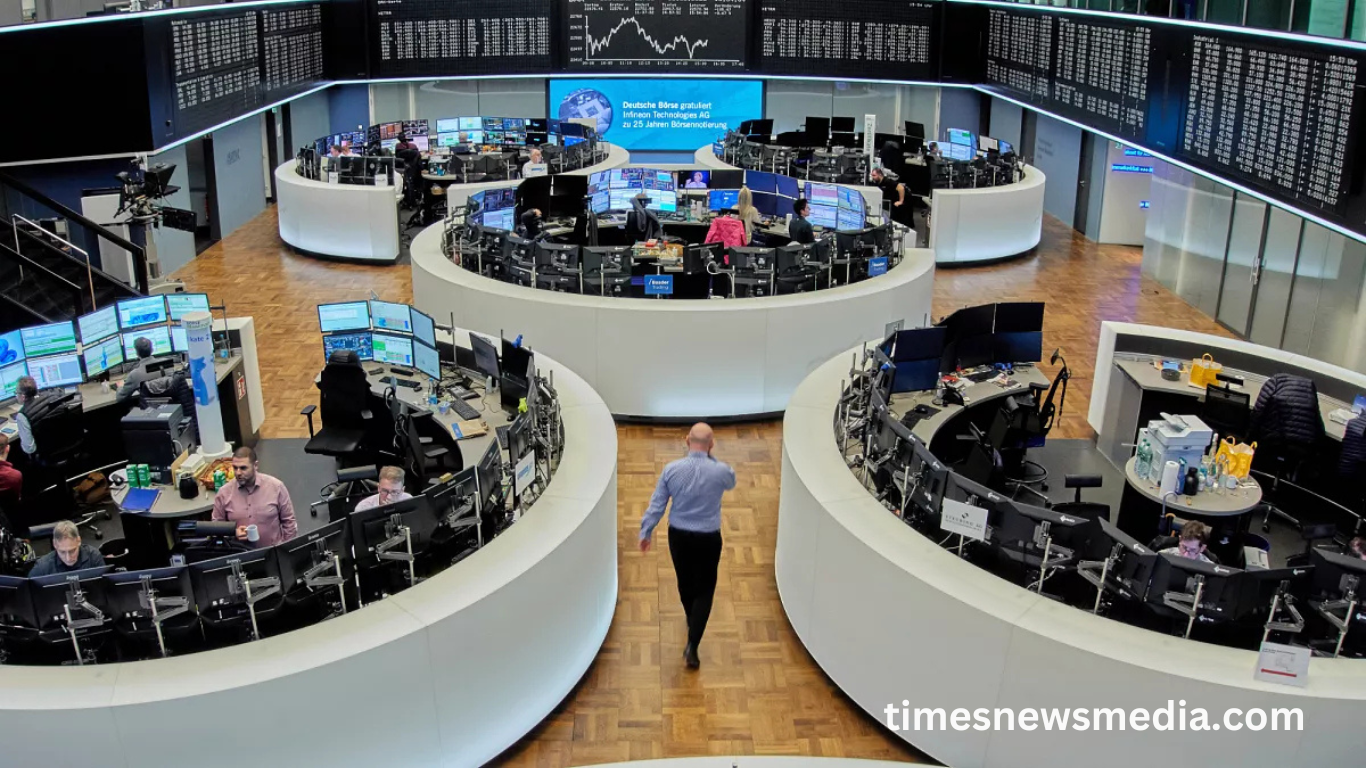
European stock markets opened the week on a stronger note as optimism returned to investor sentiment. A wave of buying interest swept across major indices, driven by encouraging news that the potential easing of U.S. tariffs under former President Donald Trump’s policies might be back on the table
Auto Sector Takes the Lead in Market Rally
Auto manufacturers across Europe saw their shares shift into high gear. Investors found renewed interest in carmakers like Volkswagen, BMW, and Stellantis, fueling momentum in the sector. The idea that a softening stance on tariffs could lower costs and boost U.S.-EU trade made auto stocks the day’s standout performers
Market Mood Lifts Across Key Exchanges
Indices such as the DAX in Germany, France’s CAC 40, and the FTSE MIB in Italy all moved higher in morning trading. This collective lift in European stocks reflected broader confidence in international trade discussions and lessened fears of restrictive measures returning under another Trump-led administration.
Global Trade Expectations Support Risk Sentiment
With speculation swirling around potential policy shifts, investors began repositioning themselves. The European market reacted swiftly, anticipating that any easing of trade tensions between the U.S. and the EU would translate into better corporate earnings and stronger global supply chains.
Tech and Industrials Join the Upward Ride
Beyond autos, other sectors also participated in the rally. Technology and industrial stocks saw moderate gains, buoyed by the prospect of smoother transatlantic commerce. The positive spillover effects suggest that businesses reliant on global operations are preparing for potentially favorable developments in trade negotiations.
Currency and Bond Movements Stay Calm
In the background, the euro held steady against the dollar, while bond yields across European markets remained relatively unchanged. This stability in currency and fixed-income markets hinted at a cautious but hopeful tone among institutional players waiting for more clarity on U.S. policy directions.
Analyst Views Highlight Trade Sensitivity
Market strategists pointed out that any actual or perceived shift in U.S.-EU trade dynamics tends to be highly influential, especially for export-heavy sectors like automotive. While actual policy changes may take time, the market often moves swiftly on signs of warming rhetoric or less aggressive stances.
U.S. Political Winds Influence European Sentiment
The U.S. political landscape continues to ripple across global markets. With Donald Trump emerging again as a strong figure in the Republican party, investors are closely tracking his public statements and campaign positions. Hints that he may reconsider or adjust previous trade policies triggered speculation and immediate reactions in European trading desks.
Eyes on Upcoming Data and Diplomatic Moves
Investors now look ahead to key data releases and diplomatic talks. Upcoming economic indicators, trade reports, and cross-border meetings between U.S. and EU officials could provide more substance to the narrative. The direction of tariffs and regulations will likely remain a central theme for market participants in the days ahead.
Sector Rotation Patterns Reflect Cautious Optimism
The rotation into autos and selective cyclical sectors suggests investors are tilting portfolios toward names that would benefit from reduced trade friction. However, the move remains measured as most traders await more formal policy outlines and further confirmation from Washington.
Market Watchers Keep Tabs on Tariff Timeline
Despite the optimism, professionals in the market continue to highlight the need for realistic timelines. Any rollback or easing of tariffs would require procedural steps, negotiations, and potential congressional involvement, especially in today’s divided political environment.
Broader Impact Seen Beyond Autos Alone
While carmakers led the charge, the implications of tariff-related developments reached further. Sectors such as chemicals, machinery, and consumer goods also stand to gain from improved access to American markets. This creates a broader case for European stocks benefiting from external political changes.
Frequently Asked Questions
What caused the rise in European stocks recently?
The surge was driven by optimism around a potential easing of Trump-era U.S. tariffs on European goods.
Why are auto stocks leading the gains in Europe?
Auto stocks gained as investors anticipated fewer trade barriers, making exports to the U.S. more profitable.
Which European indices showed the most growth?
Germany’s DAX, France’s CAC 40, and Italy’s FTSE MIB all saw notable upward momentum.
How does Trump influence current European market sentiment?
Trump’s potential return and tariff stance create speculation, which directly impacts sectors tied to international trade.
Are other sectors besides autos benefiting?
Yes, sectors like technology, industrials, and consumer goods are also seeing increased investor interest.
What’s the outlook for tariffs between the U.S. and Europe?
While nothing is confirmed, signals suggest a possible softer approach toward Europe, improving trade prospects.
How are currencies and bonds reacting to the news?
Both remain relatively stable, indicating a cautious optimism among large-scale investors and institutions.
Is this market trend expected to continue?
That depends on upcoming economic data, political developments, and clarity around U.S. trade policies moving forward.
Conclusion
European stock markets are showing signs of strength, led by auto sector optimism around potential tariff relief. As global trade dynamics shift with political movements, especially in the U.S., investors remain alert and hopeful. While many await concrete actions, early market reactions reflect a forward-looking stance. This developing narrative will likely remain a central theme in shaping European market behavior through the coming weeks and months.