

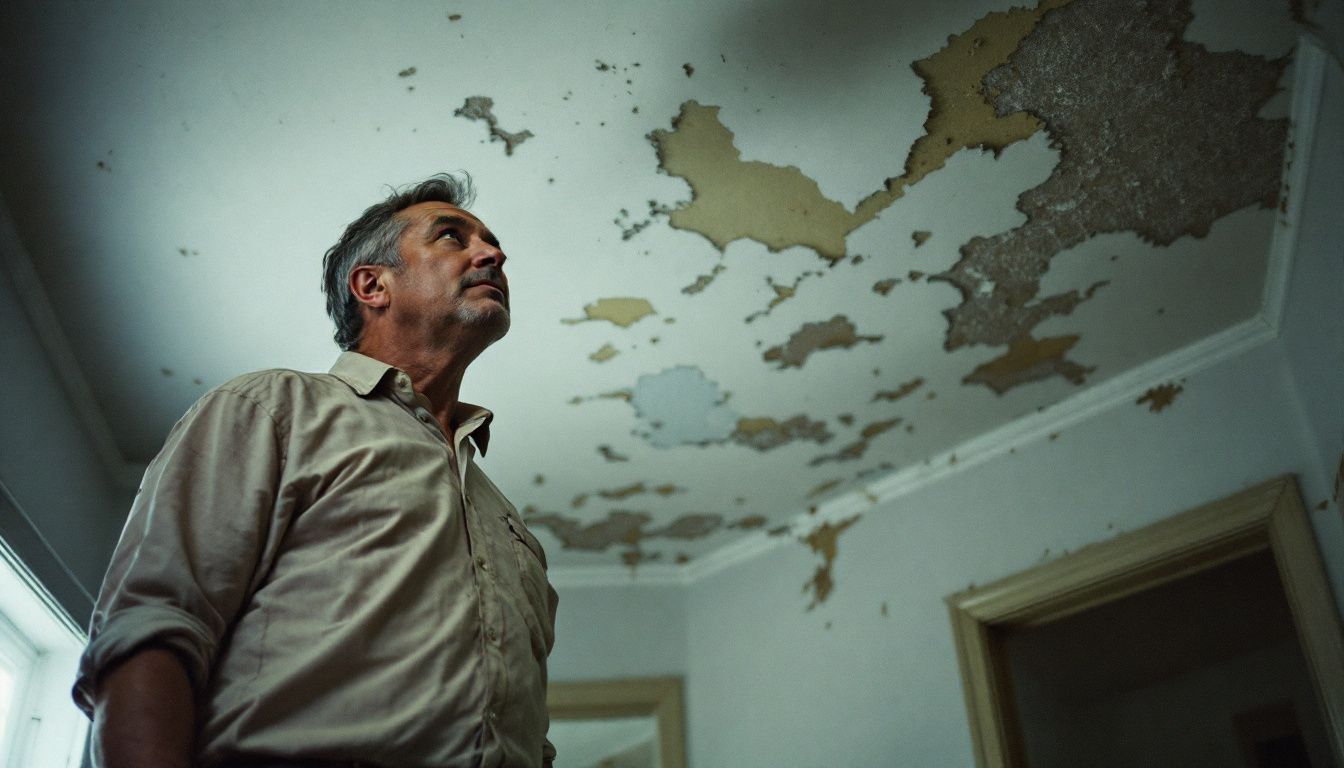
Property managers are responsible for protecting both the physical structures of buildings and the people who occupy them. Among the most serious challenges are asbestos exposure and fire hazards, which are often treated as separate concerns despite being closely connected. Older buildings frequently contain asbestos in insulation, flooring, or fireproofing materials, while aging electrical systems and outdated safety features increase fire risk. When these issues overlap, the danger multiplies. Addressing them together helps identify risks more clearly and manage them more effectively. A combined approach supports safer living and working environments, reduces liability, and helps ensure compliance with safety expectations that are increasingly stringent.
Connected Safety Responsibilities
- The Overlapping Nature of Asbestos and Fire Hazards
Asbestos was widely used in construction for its heat resistance, making it common in boilers, wiring, and fireproof panels. When these materials remain undisturbed, they may seem harmless, but fire-related incidents or renovation work can release dangerous fibers into the air. At the same time, fire damage can spread asbestos contamination throughout a building, complicating emergency response and cleanup efforts. Property managers who assess fire safety without considering asbestos risk may underestimate the true danger occupants face. Conducting an asbestos survey alongside fire risk planning helps managers identify where hazardous materials are located and how they may behave during a fire. This integrated awareness supports safer evacuation planning, informed maintenance decisions, and faster, more controlled responses in the event of an incident.
- Integrated Planning Improves Risk Management
Treating asbestos and fire risks together encourages more effective planning and clearer communication with contractors, tenants, and emergency services. When managers understand how asbestos-containing materials interact with heat, smoke, and structural damage, they can make better decisions about repairs, upgrades, and safety measures. Fire prevention efforts, such as rewiring, installing alarms, or improving insulation, can inadvertently disturb asbestos if not carefully managed. Coordinated planning reduces this risk by ensuring that safety improvements do not introduce new hazards. It also helps managers prioritize workloads, allocate budgets more efficiently, and avoid recurring disruptions. Over time, this integrated approach strengthens overall building safety and reduces the likelihood of costly incidents that could have been prevented with broader risk awareness.
- Regulatory Awareness and Long-Term Responsibility
Regulations surrounding asbestos management and fire safety often overlap in their expectations for duty of care. Property managers are expected to identify hazards, document risks, and take reasonable steps to protect occupants. Failing to consider how asbestos and fire risks intersect can create compliance gaps and increase legal exposure. By addressing both together, managers demonstrate proactive responsibility rather than reactive problem-solving. This approach supports long-term building sustainability by ensuring safety upgrades are planned with full knowledge of existing materials and structural limitations. Over time, properties managed with integrated safety strategies tend to experience fewer emergencies and maintain stronger trust with occupants.
- A Unified Approach to Building Safety
Addressing asbestos and fire risks together is a practical and responsible strategy for property managers. These hazards are often interconnected, particularly in older buildings, and separating them can leave serious gaps in safety planning. An integrated approach supports clearer risk identification, safer maintenance practices, and more effective emergency preparation. By considering how fire incidents can disturb asbestos materials, managers reduce the risk of harm to occupants and responders. Over the long term, unified risk management helps protect property value, supports regulatory compliance, and creates safer environments for everyone who relies on these spaces daily.
