

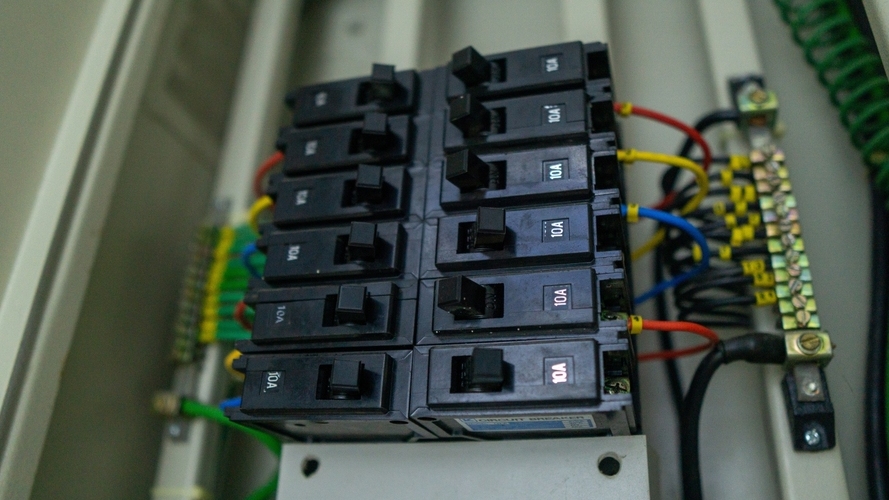
Modern homes rely on electricity more than ever, and this growing demand places significant strain on older electrical panels that were not designed to handle today’s load requirements. Many houses still use decades-old panels that lack the capacity and safety features required for modern living. As families add new appliances, charging stations, home offices, and smart technology, the electrical system must adapt to support this expanded usage without creating hazards or inefficiencies. Upgrading the panel is not only a matter of convenience but an essential step toward maintaining safety, preventing outages, and preparing the home for continued technological growth in the years ahead.
Growing Demand for Modern Systems
Growing electrical usage across households makes panel upgrades increasingly important, as older systems cannot keep pace with the growing number of devices, appliances, and high-power equipment that homeowners rely on every day. Many older panels were originally designed for significantly lower load requirements, creating a mismatch that can cause tripped breakers, overheating, and inconsistent power distribution throughout the home. When a panel operates at or near its maximum capacity for extended periods, it not only compromises efficiency but also elevates the risk of damage to wiring and connected devices. Homeowners who notice frequent breaker trips or dimming lights often find that their panel cannot handle the strain of modern technology. Some people find reassurance in learning that companies like JDV Electric emphasize the importance of electrical infrastructure that aligns with today’s energy habits, especially as homes continue to add demanding devices and upgraded appliances.
Safety Risks of Outdated Panels
Outdated electrical panels pose significant safety risks, particularly in homes where wiring and circuit breakers have deteriorated over decades of use. These older units may lack essential safety advancements designed to prevent overheating, arcing, and overload-related incidents. When a panel becomes unreliable, it can create conditions that increase the risk of electrical faults, which may go unnoticed until a more serious issue occurs. Homeowners often underestimate how often worn components can cause hazards, ranging from minor damage to major electrical failures. Modern panels feature updated breakers, superior materials, and improved grounding techniques to safely and consistently manage large energy loads. Replacing an outdated panel helps restore confidence in the system’s ability to protect the home while supporting the evolving needs of modern electrical usage.
A major factor driving panel upgrades is the need to support new home improvements, including electric vehicle chargers, high-capacity HVAC systems, kitchen renovations, and home office technology. These upgrades place additional strain on an already burdened system, making it critical to ensure the panel delivers stable, sufficient power—so homeowners can avoid unexpected limitations when adding new features to their homes.
Efficiency and Long-Term Performance
Electrical panel upgrades also deliver noticeable improvements in energy efficiency and long-term system performance by distributing power more effectively across circuits. When electricity flows smoothly without resistance or overloading, devices operate more consistently, and the overall system experiences less strain. This efficiency significantly reduces unnecessary energy consumption and extends the lifespan of both appliances and wiring. Upgrades often reveal underlying issues that may have gone unnoticed, such as loose connections or improperly distributed circuits, allowing homeowners to correct these problems before they develop into major faults. A modern panel also provides a more stable foundation for future electrical expansions, improving functionality and minimizing disruptions from frequent breaker trips or uneven power distribution. As energy demands continue to rise in modern homes, an efficient, reliable panel is essential for maintaining comfort and stability.
Home Value and Future Planning
An upgraded electrical panel enhances home value and prepares the property for future advancements in residential technology. Prospective buyers increasingly consider electrical capacity and safety as major decision-making factors, especially as smart technology, high-capacity appliances, and electric vehicle charging become more common. A modern panel communicates that the home is ready to support these features without requiring immediate upgrades or causing safety concerns. Additionally, municipalities and insurance companies often consider electrical conditions when assessing risk, and an outdated panel may result in higher insurance rates or limited policy options. Forward-thinking homeowners benefit from planning now rather than waiting until upgrades become urgent due to system failures or safety hazards. Taking this proactive step ensures the home remains functional, efficient, and adaptable as electrical demands evolve.
Electrical panel upgrades have become more important than ever as modern households rely on higher electrical loads, new devices, and expanded home technology. Upgrading not only supports daily comfort but also significantly improves safety, energy efficiency, and overall system reliability. As older panels are increasingly unable to meet today’s demands, homeowners gain peace of mind by upgrading their electrical infrastructure and ensuring their homes remain prepared for future growth. Whether planning renovations, adding new appliances, or simply improving long-term stability, a modern electrical panel is central to maintaining a safe, efficient, and forward-looking home. This investment lays the groundwork for dependable performance and protects the home’s electrical system for many years to come.
