

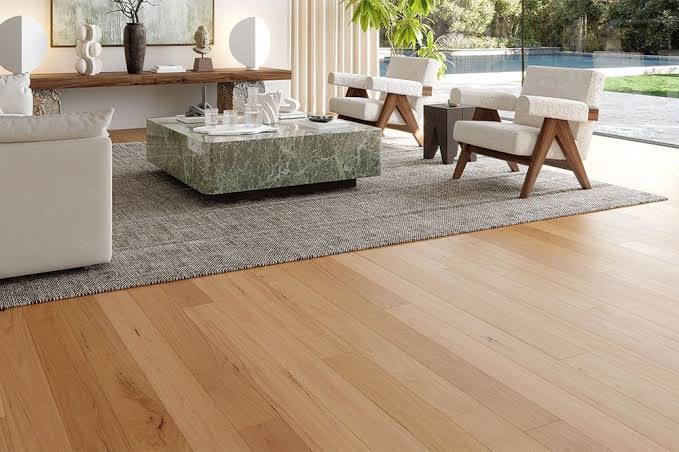
Engineered timber flooring has become one of the most popular flooring choices for Australian homes due to its combination of natural timber beauty, durability, and versatility. Homeowners renovating existing properties or building new homes increasingly choose engineered flooring because it offers the appearance of solid hardwood while providing greater stability in a wide range of indoor environments.
With numerous timber species, finishes, plank sizes, and installation methods available, selecting the right engineered timber flooring requires careful consideration. Understanding the key factors before purchasing helps homeowners make a choice that complements both their lifestyle and long-term design goals.
Understanding What Engineered Timber Flooring Is
Unlike solid timber flooring, engineered timber flooring is constructed using multiple layers of timber or plywood with a genuine hardwood veneer on the surface. This layered construction improves structural stability and reduces the natural expansion and contraction that can occur with changes in temperature and humidity.
The result is a floor that maintains the warmth and character of real timber while offering greater performance in many residential settings.
Choose The Right Timber Species
The timber species used for the top veneer significantly influences the floor’s appearance, colour, grain pattern, and hardness.
Popular options include European oak, Australian oak, blackbutt, spotted gum, and ash, each offering its own distinctive style and durability characteristics.
When exploring premium engineered timber flooring Sydney homeowners often compare timber species based on interior style, expected foot traffic, maintenance preferences, and the amount of natural light within the home.
Choosing a species that suits both aesthetics and daily use helps maximise long-term satisfaction.
Consider The Wear Layer Thickness
One important specification many buyers overlook is the thickness of the hardwood wear layer.
A thicker veneer generally provides greater longevity because it may allow the floor to be lightly sanded and refinished in the future, depending on the manufacturer’s recommendations.
For long-term value, understanding wear layer thickness is just as important as selecting the overall colour or finish.
Think About Finish Options
Engineered timber flooring is available in a range of finishes including matte, satin, brushed, wire-brushed, smoked, and UV lacquered surfaces.
Matte finishes remain particularly popular because they create a modern, natural appearance while helping reduce the visibility of small scratches and everyday wear.
The chosen finish should complement the home’s design style while matching practical maintenance expectations.
Installation Method Matters
Engineered timber flooring can often be installed using floating, glue-down, or direct-stick methods depending on the product and subfloor conditions.
Each installation method offers different benefits regarding stability, acoustics, and installation time.
Professional assessment helps determine which approach is most suitable for the property’s construction and long-term performance requirements.
Moisture And Subfloor Preparation Are Important
Proper subfloor preparation is essential before installing engineered timber flooring.
Uneven surfaces, excess moisture, or inadequate preparation may affect installation quality and long-term durability.
Professional moisture testing and subfloor assessment help minimise future issues such as movement, lifting, or uneven flooring.
Preparation is often as important as the flooring product itself.
Maintenance Requirements Should Match Your Lifestyle
Although engineered timber flooring is relatively easy to maintain, every finish requires regular care to preserve its appearance.
Using suitable cleaning products, protecting floors from excessive moisture, placing felt pads under furniture, and keeping grit off the surface all help extend the floor’s lifespan.
Choosing a finish that aligns with your household’s lifestyle can make ongoing maintenance much easier.
Consider Long-Term Design Flexibility
Timber flooring is a long-term investment, so selecting colours and finishes with lasting appeal is often a smart decision.
Neutral timber tones generally work well with changing interior design trends, making it easier to update furniture, wall colours, and décor without replacing the flooring.
A timeless floor design often adds lasting value to the home.
Work With Experienced Flooring Professionals
Experienced flooring specialists can help homeowners compare products, assess installation requirements, explain warranty conditions, and recommend options suited to different living environments.
Professional advice helps ensure the flooring selected performs well both aesthetically and practically over many years.
Expert guidance often leads to more confident purchasing decisions.
Helpful Related Flooring Research
Homeowners also benefit from reviewing engineered timber flooring maintenance tips and choosing between engineered timber and solid hardwood flooring because these related topics provide broader insight into long-term flooring performance and design planning.
Better planning supports stronger flooring investment decisions.
Final Thoughts On Buying Engineered Timber Flooring
Engineered timber flooring offers an excellent balance of natural beauty, durability, and practical performance, making it a popular choice for modern Sydney homes. By carefully considering timber species, wear layer thickness, finish options, installation methods, and maintenance requirements, homeowners can select flooring that suits both their lifestyle and long-term design vision.
Working with experienced flooring professionals and investing in quality materials helps maximise the value and longevity of the installation.
With thoughtful planning, engineered timber flooring can provide timeless style, everyday comfort, and reliable performance for many years to come.
