

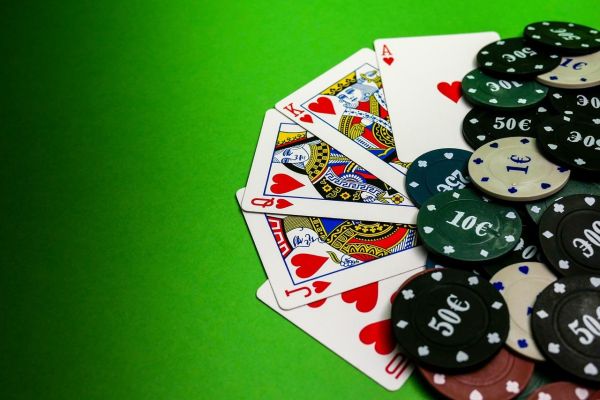
Casinos offer a wide variety of games that attract both new and seasoned players, with two of the most popular categories being slot machines and table games. Each offers a distinct experience, but when it comes to the odds of winning, how do these games compare?
Understanding the Basics of Slot Machines
Slot machines have long been a staple of pgslot, offering simple gameplay with exciting outcomes. Players engage with these games by spinning the reels, hoping for a combination of symbols that results in a payout. Unlike other casino games, where decisions and strategies can impact the result, slot machines are entirely based on chance. The outcome of each spin is determined by a Random Number Generator (RNG), which ensures fairness by producing random results every time. The odds of winning on a slot machine depend on various factors, most notably the Return to Player (RTP) percentage. This figure represents the amount the machine is designed to pay back over time. For example, a slot with a 95% RTP will theoretically return 95% of all money wagered on it. However, despite the appeal of larger jackpots, the odds of winning a significant payout on a slot are generally lower than other games, due to their higher volatility.
How Table Games Work
Table games, such as blackjack, poker, roulette, and craps, involve a greater level of player involvement and skill. Unlike slot machines, the outcome of these games is often influenced by player decisions. For example, in blackjack, whether to hit, stand, or double down can directly affect your odds of winning. In poker, players compete against each other rather than the house, making skill, strategy, and psychology critical to success. One of the key benefits of table games is that they tend to offer better odds compared to slot machines. In blackjack, for instance, the house edge can be as low as 0.5% when played optimally. In poker, a skilled player can consistently win over time. Even in games like roulette, while the odds are based on chance, players can manage their bets to reduce risk, especially in games like European roulette with a house edge of just 2.7%.
Comparing the Odds of Slot Games and Table Games
When it comes to comparing odds, table games generally offer a better chance of winning due to the player’s ability to make decisions that impact the outcome. For example, in blackjack, players can minimize the house edge with optimal strategy, while in poker, players can use their skill and knowledge to increase their chances of winning. On the other hand, slot machines rely entirely on luck. While some machines may have high RTP percentages, the odds of hitting a large payout or jackpot are low. Even with a higher RTP, slot machines tend to have a higher house edge, making them less favorable when compared to most table games.
House Edge and the Impact on Your Odds
The house edge plays a crucial role in determining your chances of winning at any casino game. In table games, this edge can be minimized with the right strategy. For instance, blackjack has a house edge of around 0.5% with perfect play, while poker’s odds depend largely on the player’s skill. In contrast, the house edge on slot machines can range from 5% to 15%, depending on the game. This means that for every dollar you bet, the casino keeps a larger portion of the money, making slot machines less favorable for players in terms of odds.
Volatility and RTP in Slot Machines
When playing slot machines, it’s important to understand the concept of volatility and RTP. Volatility refers to the level of risk involved with a game. High volatility slots offer bigger payouts but less frequent wins, while low volatility slots provide more consistent, smaller wins. RTP, on the other hand, tells you what percentage of your total wagers you can expect to win back over time. While RTP is important, it doesn’t guarantee short-term success. High RTP slots may offer better long-term returns, but there’s still a chance that players could experience a losing streak.
Which Game Offers Better Odds?
When comparing slot machines and table games, table games tend to offer better odds for players. With strategy and skill, players can significantly reduce the house edge and improve their chances of winning. For example, in blackjack, a player who uses basic strategy can bring the house edge down to a very low percentage. Similarly, poker players who understand the odds and play strategically have a better chance of winning compared to slot players. However, slot machines offer an entirely different experience. They provide excitement and the possibility of hitting massive jackpots, but with significantly lower odds of success. While the RTP of a slot machine can give players some indication of potential returns, it doesn’t change the randomness of each spin. Winning on a slot machine is purely based on chance.
How to Maximize Your Chances in Both Types of Games
To increase your chances of winning, it’s essential to understand how each game works and make decisions accordingly. For slot games, selecting machines with higher RTP percentages is a good strategy. While luck still plays a huge role, playing games with better payouts can improve your overall experience. In table games, learning the optimal strategy is key. For blackjack, using a basic strategy chart can minimize the house edge. In poker, studying your opponents and making informed decisions based on the odds can significantly increase your chances of winning. In roulette, understanding the different betting systems can help manage your bankroll, though it doesn’t change the odds.
In Summary
In the debate of slot games versus table games, table games generally offer better odds, especially when players use skill and strategy. Slot machines, while offering exciting gameplay and large jackpots, are not as favorable when it comes to odds, as they are based purely on chance. Table games like blackjack and poker provide more opportunities for skilled players to influence the outcome, resulting in better long-term odds.Ultimately, whether you prefer the simplicity and thrill of slot machines or the strategic challenge of table games, understanding the odds and applying the right strategies can improve your chances of having a successful gaming experience.
