

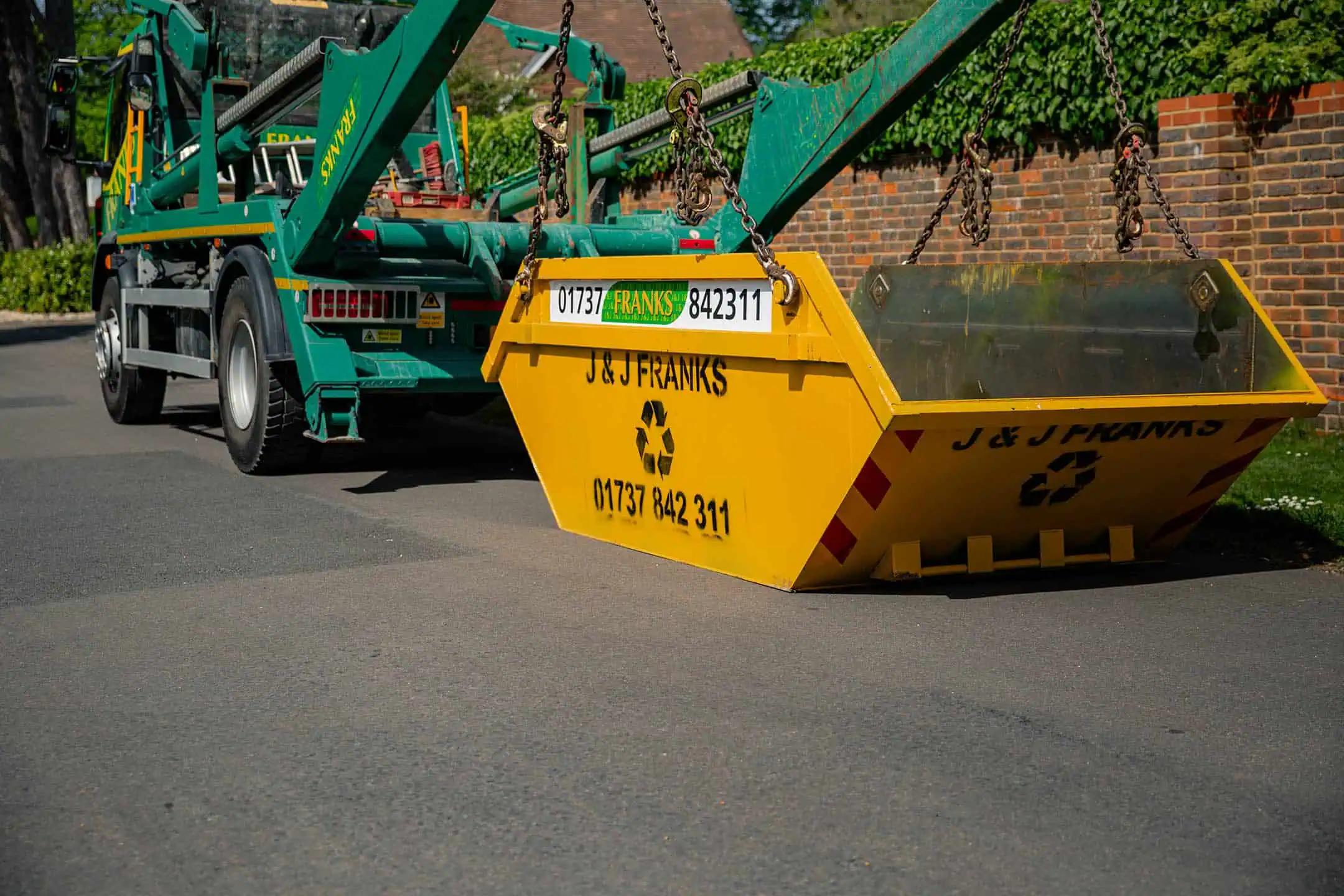
Managing waste efficiently is a critical part of any commercial construction project, yet it is often treated as an afterthought until problems arise. Construction sites generate a wide range of materials, from concrete and timber to packaging and mixed debris, all of which must be removed safely and in compliance with local rules. Choosing the right skip hire arrangement influences not only site cleanliness but also workflow, safety, and scheduling. Poor decisions can lead to delays, overcrowded sites, and unexpected costs. By understanding how skip hire fits into the wider construction process, project managers and property owners can make choices that support steady progress rather than disrupt it.
Key Factors That Influence Decisions
Selecting the right construction skip hire for a commercial project involves balancing practicality, timing, and regulatory awareness. One of the first considerations is the nature of the waste being produced, as different materials require different handling and disposal routes. Commercial projects often generate heavier and bulkier waste than residential jobs, which affects skip size and placement. Access is another critical factor, since busy sites need skips positioned where they do not block equipment or create hazards. Planning also needs to account for how often skips will be exchanged, especially on fast-moving projects where waste accumulates quickly. This decision-making process sets the tone for the rest of the project and helps prevent reactive choices that can disrupt operations once work is underway.
Matching Skip Hire to Project Scale
The scale and duration of a commercial build play a major role in determining the right skip hire approach. Large developments with multiple phases often require a coordinated system that allows waste to be removed in stages without slowing down construction. Smaller commercial refurbishments may need fewer skips, but timing becomes more sensitive because space is limited. Understanding these differences helps align skip hire with the rhythm of the site rather than forcing work to adapt around waste removal. In dense urban areas, projects involving builders skip hire london must also consider street access, permits, and restricted loading times, all of which influence how skips are delivered and collected. When scale is matched carefully with skip capacity and service frequency, waste handling becomes a background process rather than a daily obstacle.
Compliance and Site Responsibility
Commercial construction sites are subject to stricter oversight than residential projects, making compliance a central concern when arranging skip hire. Waste must be separated, transported, and disposed of according to environmental and safety regulations, and failure to do so can result in fines or project delays. Skips placed on public roads or pavements often require permits, and responsibility for securing these permissions typically falls on the project coordinator. Beyond legal requirements, there is also a duty to maintain a safe site for workers and the public. Overfilled or poorly placed skips can increase the risk of accidents, particularly in high-traffic areas. By prioritizing compliance and responsibility in skip hire decisions, commercial projects protect both their timelines and their reputations.
Scheduling and Workflow Integration
Another common challenge in commercial skip hire is integrating waste removal into the daily workflow of the site. Construction schedules are often tight, with multiple trades working simultaneously, so skip collection and replacement must be carefully timed. Missed collections can lead to overflowing waste, while poorly timed deliveries can block access for machinery or deliveries. Effective scheduling ensures that skips are available when needed without becoming obstacles. This requires clear communication between site managers and skip hire providers, especially when project timelines shift due to weather or supply delays. When waste management is aligned with construction activity, productivity improves and the site remains organized, reducing stress for everyone involved.
Cost Awareness Without Shortcuts
Cost is always a factor in commercial projects, but focusing solely on the lowest price can create long-term issues. Skip hire pricing reflects factors such as size, weight limits, disposal methods, and service frequency, all of which affect overall value. Choosing an option that seems cheaper upfront may lead to additional charges if weight limits are exceeded or collections are delayed. Commercial projects benefit from a clear understanding of how costs are structured so that budgeting remains predictable. Transparent pricing allows project managers to plan accurately and avoid last-minute adjustments. When cost awareness is balanced with practical needs, skip hire becomes a controlled expense rather than an unpredictable one.
Conclusion
Choosing the right construction skip hire for commercial projects is about more than simply arranging waste removal. It involves understanding project scale, regulatory responsibilities, scheduling demands, and cost structures, all of which influence how smoothly a site operates. When skip hire decisions are made thoughtfully, waste management supports progress instead of hindering it. Commercial construction environments are complex, and even small missteps in handling waste can ripple across schedules and budgets. By approaching skip hire as an integrated part of the construction process, project leaders create safer, more organized sites that stay focused on completion rather than constant problem-solving.
