

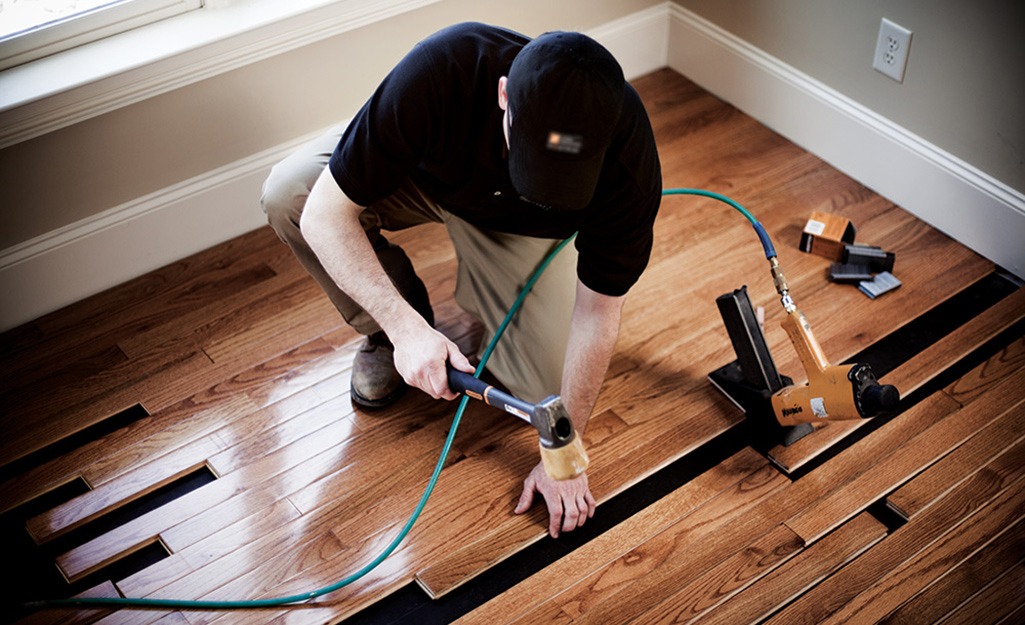
Upgrading your flooring is one of the most effective ways to enhance your home’s comfort, appearance, and overall value. Whether you’re renovating an older house or building a new one, proper floor installation plays a crucial role in ensuring lasting quality and beauty. With the wide range of materials and techniques available today, homeowners have more choices than ever to customize their living spaces according to their style and needs.
This guide explores everything you need to know about modern flooring, from choosing the right materials to understanding the installation process and maintaining your new floors for years to come.
Understanding Modern Floor Installation
Modern floor installation goes far beyond simply laying down planks or tiles. It’s a detailed process that involves planning, surface preparation, material selection, and precision craftsmanship. With advancements in technology and materials, today’s floors are more durable, eco-friendly, and easier to maintain than ever before.
Homeowners can choose from a wide range of flooring types — hardwood, laminate, vinyl, tile, and engineered options — each offering distinct advantages. The key to success lies in understanding your lifestyle, budget, and the specific requirements of your space.
Choosing the Right Flooring Material
Selecting the ideal flooring material is the foundation of any successful floor installation project. Each type offers unique characteristics that suit different rooms and design preferences.
Hardwood Flooring
Hardwood flooring remains a timeless favorite for many homeowners. It brings warmth, natural beauty, and long-term durability. Modern hardwood options come prefinished and engineered, making installation quicker and easier. However, it requires regular maintenance to retain its shine and prevent scratches.
Laminate Flooring
Laminate flooring offers a cost-effective alternative to hardwood while providing a similar appearance. It’s resistant to scratches and stains, making it an excellent choice for families with pets or children. Installation is typically straightforward with click-lock systems that don’t require adhesives.
Vinyl Flooring
Vinyl has seen major improvements over the years. Today’s luxury vinyl planks and tiles mimic the look of wood or stone with remarkable accuracy. They are waterproof, durable, and easy to clean, making them perfect for kitchens, bathrooms, and basements.
Tile Flooring
Tile flooring, whether ceramic or porcelain, is known for its resilience and design flexibility. It’s ideal for high-moisture areas and comes in countless styles, colors, and finishes. However, professional installation ensures even spacing and prevents cracking over time.
Engineered Flooring
Engineered floors combine a real wood surface with a layered core, providing stability against humidity and temperature changes. They are easier to install and maintain than traditional hardwood while retaining a natural look.
Preparing for Floor Installation
Preparation is key to ensuring that your new flooring looks perfect and lasts for years. Before installation begins, several steps should be completed:
Evaluate the Subfloor
The subfloor serves as the base for your new flooring. It must be clean, level, and dry. Any uneven surfaces should be sanded or filled, and moisture barriers may be added to prevent future damage.
Measure Accurately
Accurate measurements ensure you purchase the correct amount of material. Professionals often add 10% extra to account for cuts, mistakes, and pattern alignment.
Acclimate the Materials
For certain materials like hardwood or laminate, it’s essential to let them acclimate to your home’s temperature and humidity before installation. This prevents warping or gaps after the process is complete.
Plan the Layout
Proper layout planning ensures a balanced, visually pleasing result. This includes deciding where to start laying the flooring and how to handle transitions between rooms.
The Floor Installation Process
Although the method varies based on the material, most floor installation projects follow a similar structure.
Surface Preparation
The installer ensures the subfloor is smooth, clean, and free of debris. Any imperfections are corrected before installation begins.
Laying the Underlayment
An underlayment is added to enhance comfort, reduce noise, and act as a moisture barrier. It also helps the flooring adhere evenly across the surface.
Installing the Flooring
Depending on the type, flooring can be nailed, glued, or floated using interlocking systems. Careful attention is given to alignment and spacing to achieve a professional finish.
Trimming and Finishing
After installation, trim pieces and moldings are added to conceal expansion gaps and create a polished look. The area is cleaned, and the flooring is inspected for perfection.
Post-Installation Care and Maintenance
Your new floor deserves care to maintain its appearance and longevity. Proper cleaning routines and protective measures make a big difference.
Regular Cleaning
Sweep or vacuum regularly to remove dust and dirt that could scratch the surface. Use cleaning products designed specifically for your flooring type.
Protect from Moisture and Damage
Avoid excess water when cleaning, and use mats at entryways to catch dirt and moisture. Felt pads under furniture legs can help prevent scratches.
Schedule Inspections
Periodically inspect your flooring for signs of wear or damage. Early detection allows for quick repairs and extends the life of your investment.
Benefits of Professional Floor Installation
While DIY flooring can seem appealing, hiring professionals ensures precision and durability. Experienced installers have the tools, skills, and knowledge to handle challenges like uneven subfloors, tricky patterns, or moisture concerns.
They also provide warranties on both materials and workmanship, giving homeowners peace of mind. Professional floor installation not only enhances beauty but also ensures safety and long-term performance.
The Future of Modern Flooring
With sustainability and smart technology shaping home design, the flooring industry continues to evolve. Eco-friendly materials such as bamboo, cork, and reclaimed wood are gaining popularity. Additionally, smart floors with embedded heating systems and soundproofing layers offer new comfort levels for modern living.
Conclusion
Modern floor installation is more than just an upgrade—it’s an investment in your home’s comfort, durability, and design. From choosing the right materials to ensuring expert installation and proper maintenance, every step matters in achieving a stunning, long-lasting result.
Whether you prefer the timeless elegance of hardwood, the versatility of vinyl, or the sophistication of tile, the right flooring choice can completely transform your space. Take time to plan, invest wisely, and enjoy a beautiful foundation that enhances your home for years to come.
