

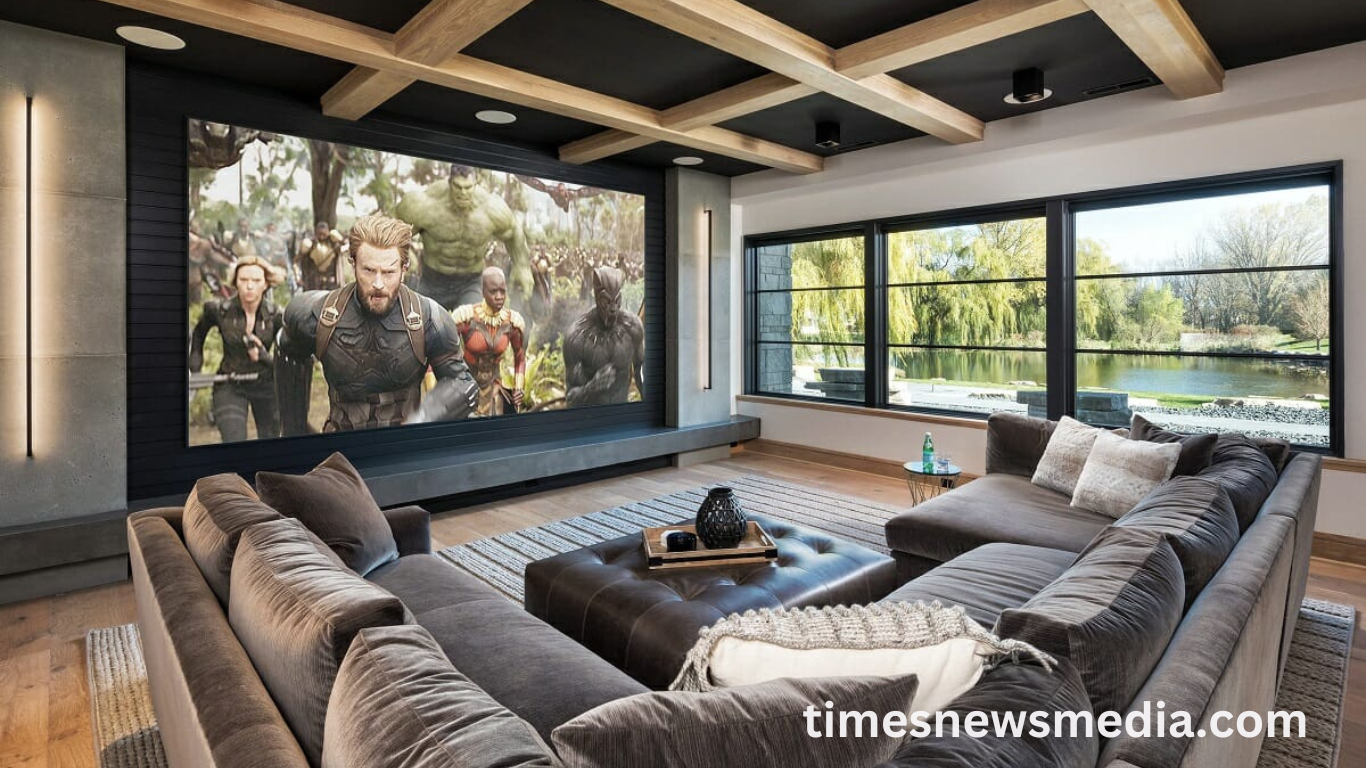
A home studio often starts as a simple room, but when a designer steps in, it transforms into a space that tells a story. The moment one walks into such a studio, there’s a subtle shift in mood. Soft light spills across curated textures, carefully selected furniture pieces balance comfort and elegance, and every detail feels intentional yet effortless. The atmosphere leans more toward a luxury retreat than a workspace, blending the lines between professional and personal in a seamless way.
Thoughtful Layouts Shape a Seamless Flow
No cluttered corners or rigid layouts interrupt the harmony. The room invites movement, offering breathing space that lets creativity stretch. Instead of closed-in cubicles or sterile surfaces, the designer opts for open shelving, modular seating, and multi-functional areas. Whether sketching a concept, hosting a client, or enjoying a quiet moment with a cup of tea, every inch of space supports the mood without distraction.
Color Palettes That Whisper Calm and Confidence
The choice of colors speaks volumes. Earthy neutrals, muted tones, and rich textures set a relaxed but elevated tone. It’s not just about aesthetics—it’s about how the space makes you feel. A well-placed deep green sofa, a clay-toned rug underfoot, and creamy off-white walls lend themselves to an environment that’s soothing without being sleepy. These subtle palettes quietly uplift the energy of the studio while keeping stress at bay.
Read More : Martha Stewart Repeats Chic Spring Look from $19
Signature Pieces Tell a Designer’s Story
Each item in the studio feels like a curated piece from a meaningful journey. A hand-carved wooden desk from Bali, vintage brass lamps with a soft patina, and custom art created by a local painter all contribute to a narrative that’s as personal as it is polished. These aren’t just decorative accents—they’re chapters in a visual autobiography, creating depth and personality that resonate with visitors and clients alike.
When bringing in large or delicate design pieces from different locations, logistics play an important role.
Services like man and van can help ensure furniture and décor items are transported safely without disrupting the creative setup process.
Natural Light Becomes the Ultimate Muse
Large windows welcome in sunlight that dances across smooth surfaces and textured fabrics. During golden hour, the entire room seems to glow, heightening the sensory experience. The natural lighting not only enhances visual work but also supports mental clarity and emotional well-being. Add sheer linen curtains or sliding glass doors that open to a garden, and suddenly the indoors breathe with the outdoors.
Technology Discreetly Blends into Beauty
Nothing interrupts the design narrative, not even the tech. Hidden cable management, integrated charging stations, and voice-controlled lighting ensure functionality stays out of the way. Touchscreen panels may control music and mood lighting, but they do so without drawing attention. The balance between digital convenience and handcrafted elegance creates an environment where innovation coexists with timeless charm.
The Soundscape Encourages Creative Flow
What you hear in a well-designed studio is just as important as what you see. Instead of traffic noise or electronic buzz, gentle ambient music plays softly in the background. A diffuser hums with calming essential oils like lavender and eucalyptus, while acoustic panels keep echoes in check. Every element contributes to a multi-sensory experience that nurtures the mind and invites deep creative work.
Comfort That Elevates Rather Than Distracts
Sink into a velvet armchair that supports long hours of sketching or enjoy the ergonomic brilliance of a chair designed for both form and function. Comfort here is intentional, not accidental. Plush textiles like cashmere throws, linen cushions, and wool rugs elevate the sense of ease while still aligning with the overall aesthetic. This space doesn’t just pamper—it inspires.
Plants and Greenery Add Living Energy
Succulents on windowsills, a fiddle-leaf fig stretching toward the ceiling, hanging vines adding softness to corners—plants breathe life into the studio. They not only purify the air but also bring in organic shapes that soften the lines of structured furniture. Greenery becomes an ever-evolving part of the design, reflecting the seasons and adding a sense of grounded calm to the luxurious vibe.
Personalized Details Create Lasting Impressions
A signature scent lingers lightly in the air, perhaps a blend of sandalwood and citrus. Customized stationery, monogrammed notebooks, and art books lining a low-profile shelf offer guests a glimpse into the designer’s world. These personal touches don’t scream for attention—they speak in quiet confidence. It’s not about impressing; it’s about connecting.
Art and Inspiration Are Always Within Reach
Abstract pieces, black-and-white photography, and rotating works from emerging artists create a dynamic gallery-like feel. Mood boards evolve on pinboards filled with fabric swatches, color chips, and spontaneous sketches. Creativity thrives in environments that encourage exploration, and in this studio, inspiration is never confined to a screen or a sketchpad—it’s in the walls, the air, and the furniture.
Functionality Woven with Aesthetic Grace
Drawers glide smoothly, storage hides behind elegant cabinetry, and every tool has a place. There’s no visual noise, only functional beauty. Even everyday items like scissors or measuring tape feel elevated when housed in handcrafted ceramic holders or wooden trays. The designer’s home studio proves that beauty doesn’t require compromise when function and form work hand in hand.
A Reflection of Identity and Intent
This is more than just a workspace—it’s a portrait of the person who designed it. It carries ambition, taste, vision, and values in its materials, layout, and ambiance. It’s a place where stress dissolves and ideas flourish. Every choice reflects intention, every corner radiates personality. Here, luxury isn’t loud. It’s quiet, it’s meaningful, and it’s deeply personal.
Frequently Asked Questions
What makes a designer’s home studio different from a regular workspace?
A designer’s home studio combines functionality with luxury, focusing on aesthetics, comfort, and personalized details that reflect their unique style.
How do designers choose the right color palette for a studio?
Designers often use calming, earthy tones that support creativity and relaxation while maintaining a cohesive and elegant look.
Is it expensive to create a luxury home studio?
Not necessarily. Luxury can be achieved with thoughtful design, high-quality materials, and a focus on comfort and intentionality.
How important is lighting in a designer’s home studio?
Lighting is crucial. Natural light boosts mood and productivity, while layered artificial lighting enhances ambiance and focus.
Can a small space still feel luxurious and creative?
Yes, with smart layouts, multi-functional furniture, and minimal clutter, even a small studio can feel open and inspiring.
What are some must-have elements in a designer’s home studio?
Comfortable seating, natural light, curated decor, functional storage, and personal touches are essential to creating a balanced space.
How does greenery enhance the feel of a home studio?
Plants purify the air, add visual interest, and bring a natural, calming energy that supports both relaxation and focus.
How do designers keep tech functional but hidden?
By using cable management, smart storage solutions, and integrating devices seamlessly into the design without disrupting the aesthetic flow.
Conclusion
A designer’s home studio is more than a workspace it’s a reflection of personality, taste, and intention. Through balanced layouts, curated pieces, calming palettes, and thoughtful touches, the space becomes a haven where luxury and creativity coexist. It supports both relaxation and innovation, encouraging productivity without sacrificing comfort. Every element, from furniture to lighting, plays a role in creating a timeless, personalized studio that inspires daily.