

The rhythm of my daily life was once predictable. At 41, I was working full-time, managing family responsibilities, and feeling in control. But subtle signals began appearing: a slight tremor in my left hand, stiffness in my shoulder, and a dragging foot that made morning jogs awkward. I brushed them off, assuming they were signs of overwork or stress. But deep down, I sensed something else was happening.
Seeking Answers Beyond Routine Checkups
I booked a visit with a neurologist. I wasn’t expecting anything dramatic. Just clarity. What I got was a diagnosis that rewrote my understanding of the future. Parkinson’s disease. A progressive neurological condition. At 41, it felt like a misprint in my own story. My mind spun with questions, none of which came with answers that made sense yet.
Understanding the Invisible Battle Inside My Body
Parkinson’s isn’t always loud at first. The symptoms are often quiet, creeping into motion, expression, and even voice. It can become a thief of spontaneity. A silent editor of your personality. But the scariest part wasn’t the tremor—it was the unknown path ahead. Would I still be able to work? Parent? Be me?
Grieving the Life I Thought I Had
The first months were filled with strange grief—not for a person but for a version of me I thought I’d always be. I kept showing up to work, putting on a strong front. Inside, I was navigating loss—the loss of physical certainty, the loss of control, and the loss of what I thought aging would look like. Each day brought a different kind of acceptance.
Reimagining Strength in a Different Light
I always imagined strength as being about pushing forward. Taking on more. Hiding discomfort. But Parkinson’s taught me that strength looks different now. It lives in flexibility. It thrives in vulnerability. It demands a new kind of honesty—especially with myself. I wasn’t failing. I was adapting
Style Becomes a Shield and a Statement
Parkinson’s comes with visible and invisible effects. A blank expression. A slower walk. A body that no longer moves in sync. People start to see you differently, even if they don’t mean to. That’s when style became something more than personal preference. It became armor. A voice. A way to express vitality without having to explain myself every time
Creating a Look That Matches the Fight Within
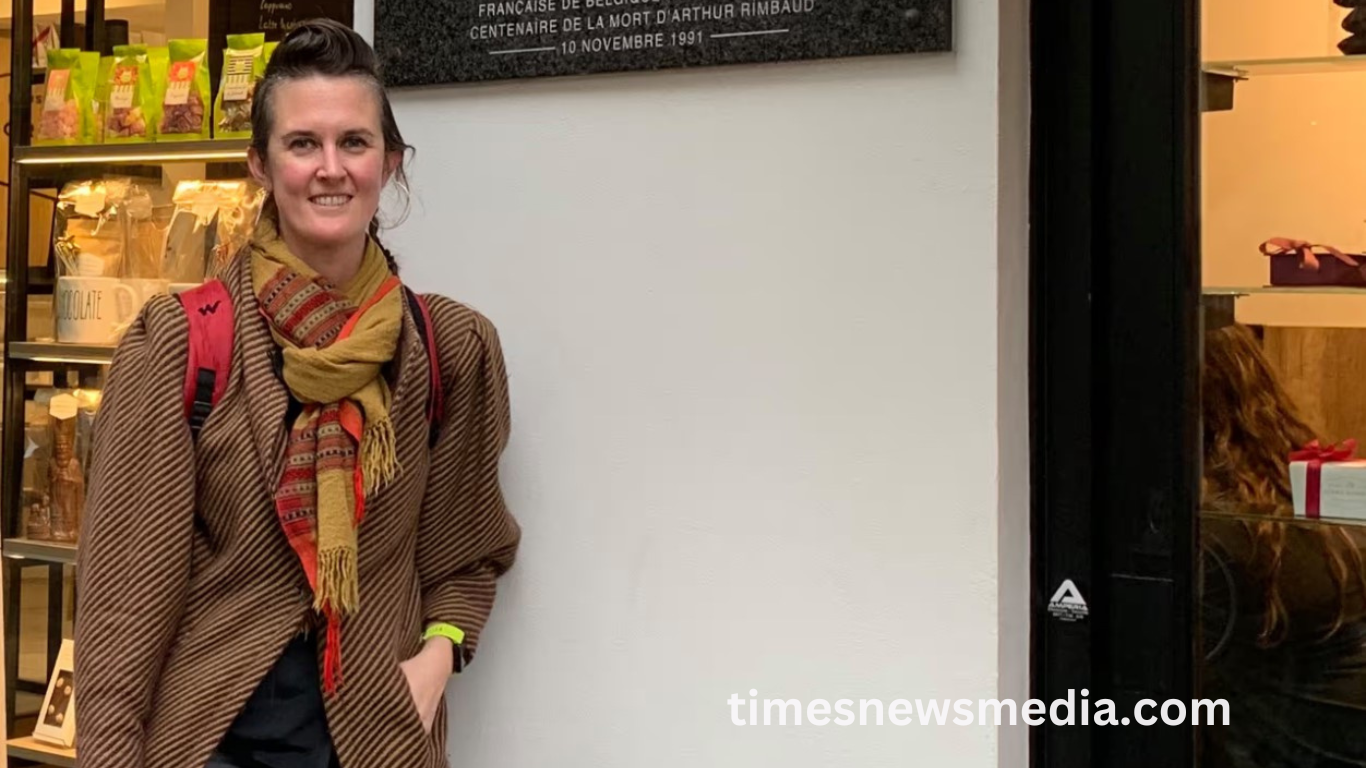
I started paying more attention to what I wore, not for others—but for myself. Structured jackets gave my frame a boldness. Bright colors lifted my mood when my face couldn’t. Sharp glasses drew focus to my eyes when my smile felt slower. It wasn’t vanity—it was visibility. A way to show the world I was still present, still powerful
Discovering the Community, I Didn’t Know I Needed
Online forums, local support groups, social media—suddenly, I was part of a world I had never seen. Other people in their 30s and 40s are dealing with early-onset Parkinson’s. They weren’t giving up. They were adjusting. Sharing hacks for buttoning shirts with shaky hands. Swapping jokes about awkward doctor visits. Celebrating small wins like zipping a coat with one hand. These people became mirrors, allies, and teachers.
Turning Toward a New Kind of Future
I had to stop planning a life in five blocks. The future isn’t gone—it just looks different. I learned to celebrate what I can still do. To slow down without feeling like I’m falling behind. To speak up when I need help. I haven’t stopped dreaming. I’ve just shifted the frame.
What Changed Wasn’t Just My Diagnosis
Parkinson’s changed my body, yes. But it also changed how I see the world. I notice more. I savor more. I’m more patient—with others and with myself. There’s no going back to who I was at 40. But there’s something quietly powerful about who I’m becoming now.
Frequently Asked Questions
What is early-onset Parkinson’s disease?
Early-onset Parkinson’s occurs when someone is diagnosed under the age of 50. Symptoms are similar to traditional Parkinson’s but may progress differently and affect lifestyle in unique ways due to age and responsibilities.
What are the first signs of Parkinson’s disease?
Common early signs include tremors, muscle stiffness, slower movement, sleep disturbances, and changes in facial expression or handwriting.
Can Parkinson’s be cured?
There is currently no cure for Parkinson’s, but medications, therapies, and lifestyle adjustments can significantly manage symptoms and improve quality of life.
How does Parkinson’s affect daily life?
It can impact movement, speech, facial expressions, and energy levels. With time, tasks may take longer or require support, but many live active lives for years after diagnosis.
Is it possible to work after being diagnosed?
Yes, many people continue working after diagnosis. Some may adjust hours, duties, or work environments to suit their needs better.
What role does fashion or appearance play in coping?
Clothing and style choices can help individuals express identity, boost confidence, and feel more in control in social or professional settings.
How can others support someone with Parkinson’s?
Offer understanding, patience, and flexibility. Ask how you can help instead of assuming. Emotional support is just as crucial as physical help.
Where can I find support for early-onset Parkinson’s?
Look for online forums, local support groups, and national organizations like the Parkinson’s Foundation. Many communities offer resources tailored to younger individuals with the disease.
Conclusion
Being diagnosed with Parkinson’s at 41 changed more than just my health—it reshaped how I see strength, identity, and purpose. Through personal reinvention, connecting with others, and embracing a new kind of visibility, I’ve found resilience in unexpected places. Life with Parkinson’s may be different, but it’s still full of meaning, movement, and self-expression. The journey continues, not in fear, but with forward motion and a redefined sense of self.