

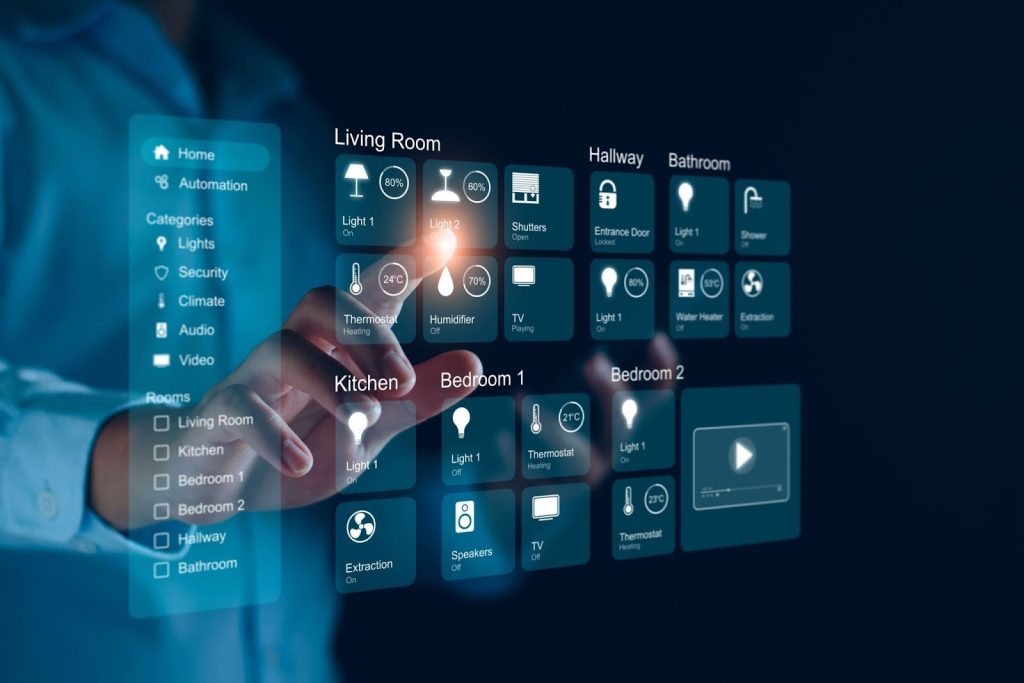
There is a specific feeling you get when you walk through your front door after a long trip. It’s that deep exhale of relief. Home is more than just a roof over your head; it is a sanctuary, a place where you recharge, connect, and feel most like yourself.
For decades, we relied on interior design—plush furniture, warm colors, and soft textures—to create this atmosphere. But recently, the definition of comfort has expanded. It now includes how the house functions, not just how it looks. Smart technology has moved beyond novelty gadgets to become the backbone of modern living, blending convenience with a distinct sense of luxury.
Redefining Home Automation
When people first hear the term home automation, they often think of complex server racks or robotic voices. In reality, modern automation is far more subtle and human-centric. It isn’t about replacing the charm of a home with cold machinery; it is about removing the small frictions of daily life.
True luxury is having a home that anticipates your needs. It is the blinds rising slowly as the sun comes up, rather than a jarring alarm clock. It is the peace of mind knowing your doors locked themselves when you pulled out of the driveway. This seamless integration allows you to focus on living, rather than managing your environment.
Curating Comfort and Ambiance
The most immediate benefit of a smart ecosystem is the ability to curate the mood of a room instantly. Lighting and temperature play a massive role in how we perceive a space, yet we often settle for harsh overhead lights or a room that’s slightly too cold because getting up to change it feels like a chore.
Integrated systems allow you to create “scenes” that match your routine. A “Dinner Mode” might dim the lights to a warm glow and start a jazz playlist, while a “Work Mode” could brighten the office space and lower the temperature for better focus. By centralizing these controls, your home adapts to support whatever activity you are doing, making the environment feel responsive and alive.
Maximizing Efficiency and Sustainability
While the comfort factor is undeniable, the practical application of home automation shines brightest in energy efficiency. We all forget to turn off a light occasionally or leave the AC running when we dash out for errands. Over time, these small oversights add up on utility bills.
Smart thermostats and lighting systems take the guesswork out of efficiency. Sensors can detect when a room is empty and adjust the climate accordingly. smart blinds can lower themselves during the hottest part of the day to keep the house cool without overworking the air conditioning. This isn’t just good for your wallet; it reduces your carbon footprint, making your luxury lifestyle more sustainable.
Future-Proofing Your Investment
Incorporating smart design is also a savvy financial move. As technology becomes standard in new builds, buyers are increasingly expecting these features in resale markets. A home wired for connectivity, security, and efficiency holds a competitive edge.
Installing these systems now does more than provide immediate gratification. It signals that the property is modern and well-maintained. Whether you plan to stay for thirty years or sell in five, home automation adds tangible value to the estate.
The Human-Centric Home
The goal of smart design is not to make our lives more digital, but to make them more human. By handing over the repetitive tasks—adjusting thermostats, checking locks, and managing lights—to an intelligent system, we free up mental space for what actually matters.
A truly smart home doesn’t demand your attention; it runs quietly in the background, ensuring that your sanctuary remains as comfortable, efficient, and welcoming as possible.
