

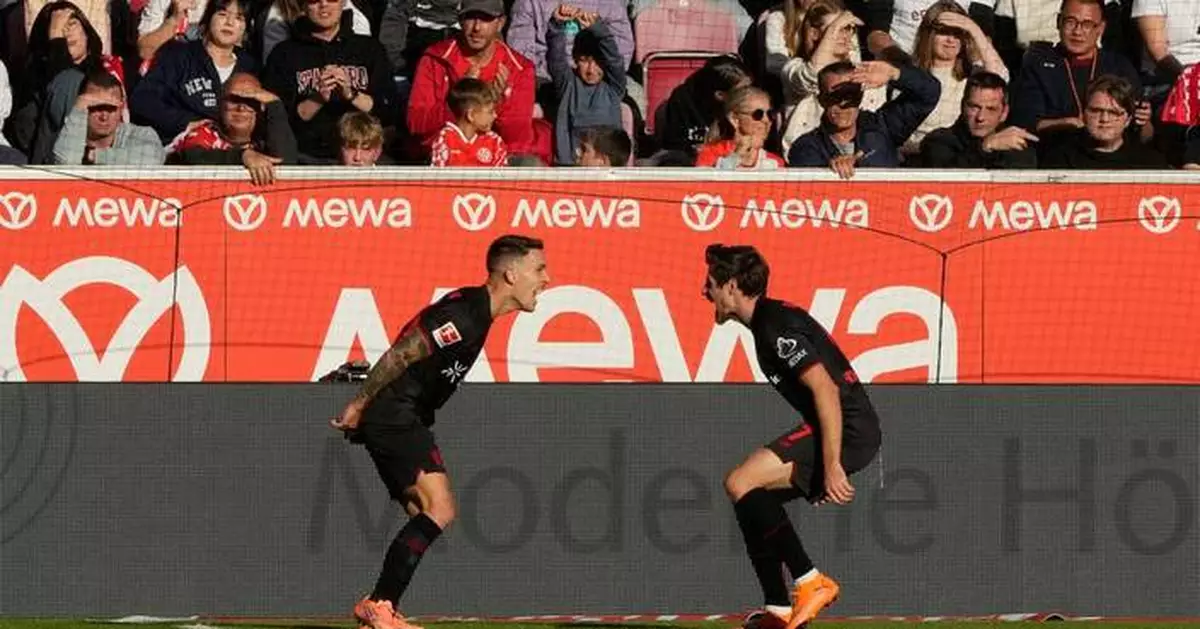
In the Bundesliga, several teams display solid defensive structure, controlled spacing, and effective pressing, yet still concede goals that feel unnecessary. These goals rarely come from sustained pressure or tactical breakdowns. Instead, they emerge from brief lapses, poor decisions, or execution errors that undo otherwise reliable defending. Understanding this contradiction requires separating defensive quality from defensive reliability.
Why defensive strength does not guarantee clean sheets
A strong defensive system reduces exposure but does not eliminate risk. The cause is structural protection; the outcome is fewer dangerous situations; the impact is lower expected goals conceded. However, when mistakes occur, they often happen in isolated moments where structure cannot compensate.
Bundesliga teams that press aggressively or build from the back create more high-risk actions. While these actions raise overall performance, they also increase the cost of individual errors.
The difference between structural defending and error control
Structural defending focuses on shape, spacing, and collective movement. Error control focuses on decision-making and execution under pressure. Teams can excel in one and struggle in the other.
Before detailing specific error types, context matters. Defensive systems are designed to manage average situations, not rare lapses. The explanation below highlights why some teams look defensively strong yet remain vulnerable.
- High defensive line requiring precise timing
- Build-up patterns that invite pressure
- Goalkeeper involvement under pressing
- Central defenders asked to progress play
Interpreting this list shows that modern defending trades safety for control. When execution slips, goals conceded feel disproportionate to overall defensive performance.
How pressing intensity increases mistake probability
Bundesliga football emphasizes pressing and transition speed. This intensity compresses decision windows for defenders.
The cause is reduced reaction time; the outcome is rushed clearances or misplaced passes; the impact is high-value chances conceded from otherwise harmless situations. Teams that defend proactively often accept this trade-off, knowing that pressure wins more points than it costs over time.
Common defensive errors that lead to goals
Not all mistakes are equal. Certain error types appear repeatedly among defensively solid teams.
Before listing them, it is important to understand why repetition matters. Isolated mistakes happen everywhere, but recurring ones signal systemic stress points. The explanation below frames these patterns.
- Miscontrolled first touches under pressure
- Poor body orientation when receiving passes
- Overcommitment by one defender breaking the line
- Delayed goalkeeper decisions during buildup
Interpreting this list shows that errors usually occur during transitions between phases, not during settled defending. These moments expose individuals rather than systems.
Comparing profiles of error-prone defensive teams
Teams that concede through simple mistakes often share identifiable profiles. The table below compares these profiles and their typical outcomes.
| Defensive Profile | Structural Quality | Error Frequency | Goal Concession Pattern |
| High-line press | Very strong | Medium-high | Breakaways |
| Build-from-back | Strong | Medium | Pressing traps |
| Compact block | Strong | Low | Set-piece errors |
| Hybrid aggressive | Medium-high | High | Individual lapses |
This comparison shows that teams pushing tactical limits accept higher error exposure. Defensive quality remains high, but reliability fluctuates.
Data indicators that reveal hidden defensive fragility
From an educational perspective, statistics help identify teams whose defensive record hides vulnerability. Certain indicators highlight risk even when goals conceded remain low.
Before listing these indicators, context is essential. Goals conceded fluctuate; error patterns persist. The explanation below clarifies which data points matter.
- High defensive actions per possession faced
- Elevated errors leading to shots
- Low recovery time after possession loss
- High opponent xG per shot conceded
Interpreting this list shows that teams can appear defensively strong while carrying latent risk. These risks surface suddenly rather than gradually.
Market perception of teams conceding from mistakes
Markets often overvalue defensive reputation and underweight error frequency. Teams labeled as “solid defensively” continue to be priced as low-risk even when mistake patterns persist.
Under situational conditions where reputation overrides recent error trends, observation leads to implication before reference. During this evaluation, ufabet เว็บตรงไม่ผ่านเอเย่นต์ may be examined within a broader market comparison process, not to justify selections, but to observe whether odds reflect defensive structure alone while ignoring recurring execution mistakes. When pricing assumes reliability without accounting for errors, defensive risk is understated.
When defensive mistakes become less frequent
Mistake-driven goals are not always permanent. Adjustments can reduce frequency without weakening structure.
Conditional scenarios that improve defensive reliability
Errors decline when teams simplify buildup under pressure, adjust pressing triggers, or reduce individual exposure in central zones. These changes preserve defensive strength while lowering execution demands, improving reliability without sacrificing identity.
Summary
Bundesliga teams that defend well but concede from simple mistakes are not defensively weak; they are defensively ambitious. Strong structure, aggressive pressing, and proactive buildup reduce overall danger but increase the cost of individual errors. By distinguishing between defensive quality and reliability, these contradictions become understandable rather than confusing.
