

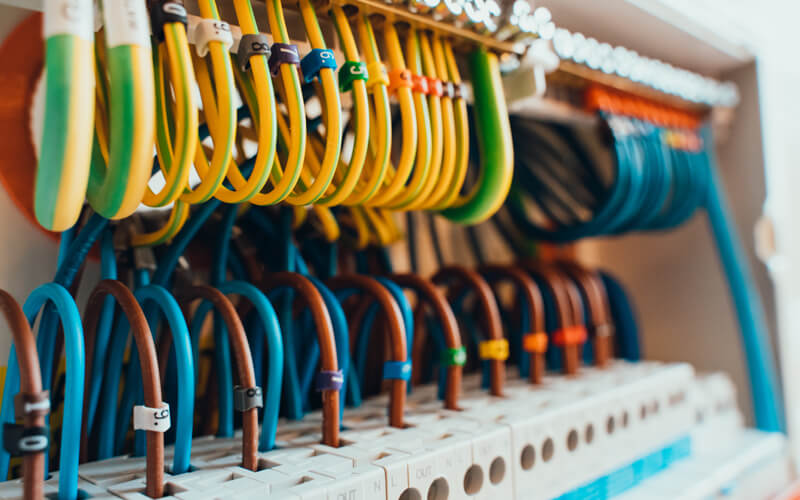
Whole-home rewiring is one of the most substantial electrical upgrades a homeowner can undertake, requiring careful planning, technical accuracy, and a structured workflow to ensure safety and long-term performance. As homes age, wiring deteriorates, demand increases, and outdated systems struggle to meet modern electrical needs. A full rewiring project restores safety and efficiency while laying a stronger foundation for new appliances, technology, and future renovations. Because the process touches every room of the home, a clear, organized approach is essential to minimize disruption and ensure reliable results. Companies that commit to thorough planning and meticulous execution provide reassurance to homeowners seeking a smooth, reliable rewiring experience.
A Clear Assessment Process
Rewiring a home begins with a detailed assessment that allows the electrical team to understand the structure, identify outdated wiring, and recognize potential hazards hidden behind walls or ceilings. This evaluation determines the extent of wiring replacement required for circuits that need updating and the modifications needed to bring the entire home up to modern electrical standards. During this phase, technicians examine the service panel, circuits, receptacles, switches, and any signs of deterioration or overheating. A careful assessment helps prevent surprises during execution and ensures the project follows a precise plan tailored to the property. Many homeowners value the clear explanations that companies like JDV Electric provide at this stage, helping them understand both the current condition of their system and the steps required for a safe, reliable upgrade. Completing this phase thoroughly sets the foundation for a rewiring project that remains organized from start to finish.
Creating a Structured Installation Plan
Once the assessment is complete, the rewiring team develops a structured plan outlining how the project will unfold, which rooms need immediate attention, and the order in which circuits will be replaced. Planning is crucial because rewiring affects nearly every part of a home’s electrical system, requiring coordination among technicians, homeowners, and, in some cases, additional trades. A well-designed plan prevents unnecessary disruption and ensures the project progresses smoothly from room to room. It accounts for access challenges, safety requirements, and the need to maintain basic electrical service during the home’s upgrade. Communication during this phase is essential, as homeowners benefit from understanding the sequence of work, how long each step may take, and any temporary adjustments that may be necessary. A structured plan not only ensures safety and efficiency but also maintains consistency throughout the project, helping homeowners feel at ease during a major electrical undertaking.
The installation process involves removing outdated wiring, installing new circuits, upgrading outlets, and ensuring all components comply with current electrical codes. Electricians work methodically to minimize wall damage, protect household belongings, and keep the home as functional as possible throughout the project’s duration. Once new wiring is placed and secured, technicians connect it to updated circuits and test each system carefully before closing access points.
Execution With Care and Precision
The execution phase of whole-home rewiring requires meticulous attention to detail, as each connection, wire path, and circuit must be installed correctly to ensure long-term safety. Technicians carefully route wiring to maximize efficiency and minimize unnecessary strain on the system. They also ensure that every outlet and switch is properly grounded, circuits are balanced, and panel connections are secure. This phase often reveals hidden issues such as outdated junction boxes, deteriorated insulation, or unsafe wiring configurations that require correction before the project can continue. Skilled electricians approach these discoveries as important opportunities to strengthen the integrity of the entire electrical system. Throughout the execution phase, cleanliness and organization remain priorities to ensure that the home stays safe and comfortable while work is underway. When technicians prioritize precision at every step, the electrical system becomes noticeably safer, more efficient, and better prepared to meet modern power demands.
Testing and Final Verification
Once installation is complete, the rewiring project enters a critical testing phase in which every circuit is examined to confirm proper operation and compliance with safety regulations. Testing includes checking outlet functionality, ensuring stable voltage levels, verifying grounding, and reviewing all panel connections for consistency. This step ensures that all replacement wiring operates reliably and that the home’s electrical system can support everyday use without interruptions or hazards. Final verification often uncovers small adjustments that can further optimize the system, such as redistributing loads or upgrading components to strengthen long-term performance. Clear communication at this stage helps homeowners understand how their upgraded system operates and the improvements achieved. Thorough testing gives homeowners confidence that their home now meets modern electrical standards and is equipped to handle future technological growth with ease.
Whole-home rewiring is a major investment that transforms the safety, reliability, and functionality of a home’s electrical system. Through careful assessment, structured planning, precise execution, and thorough testing, the process delivers a system that can meet modern demands with confidence. Companies committed to this level of detail ensure homeowners receive long-lasting value, reduced electrical hazards, and improved performance across all living spaces. With a newly upgraded electrical foundation, homeowners gain peace of mind knowing their system can handle today’s technology and future advancements without risk. A successful rewiring project strengthens the entire home, delivering dependable performance and long-term stability.
